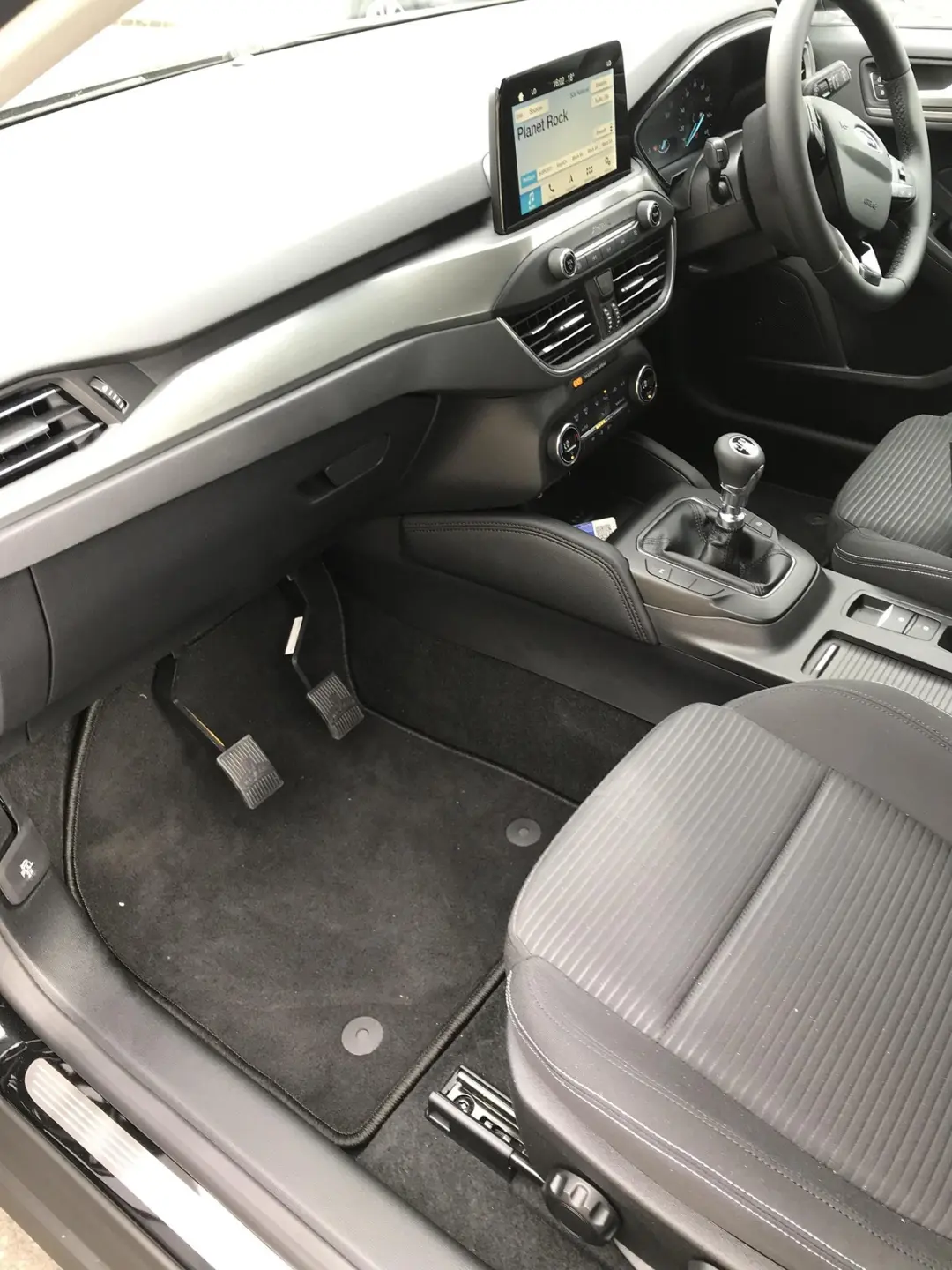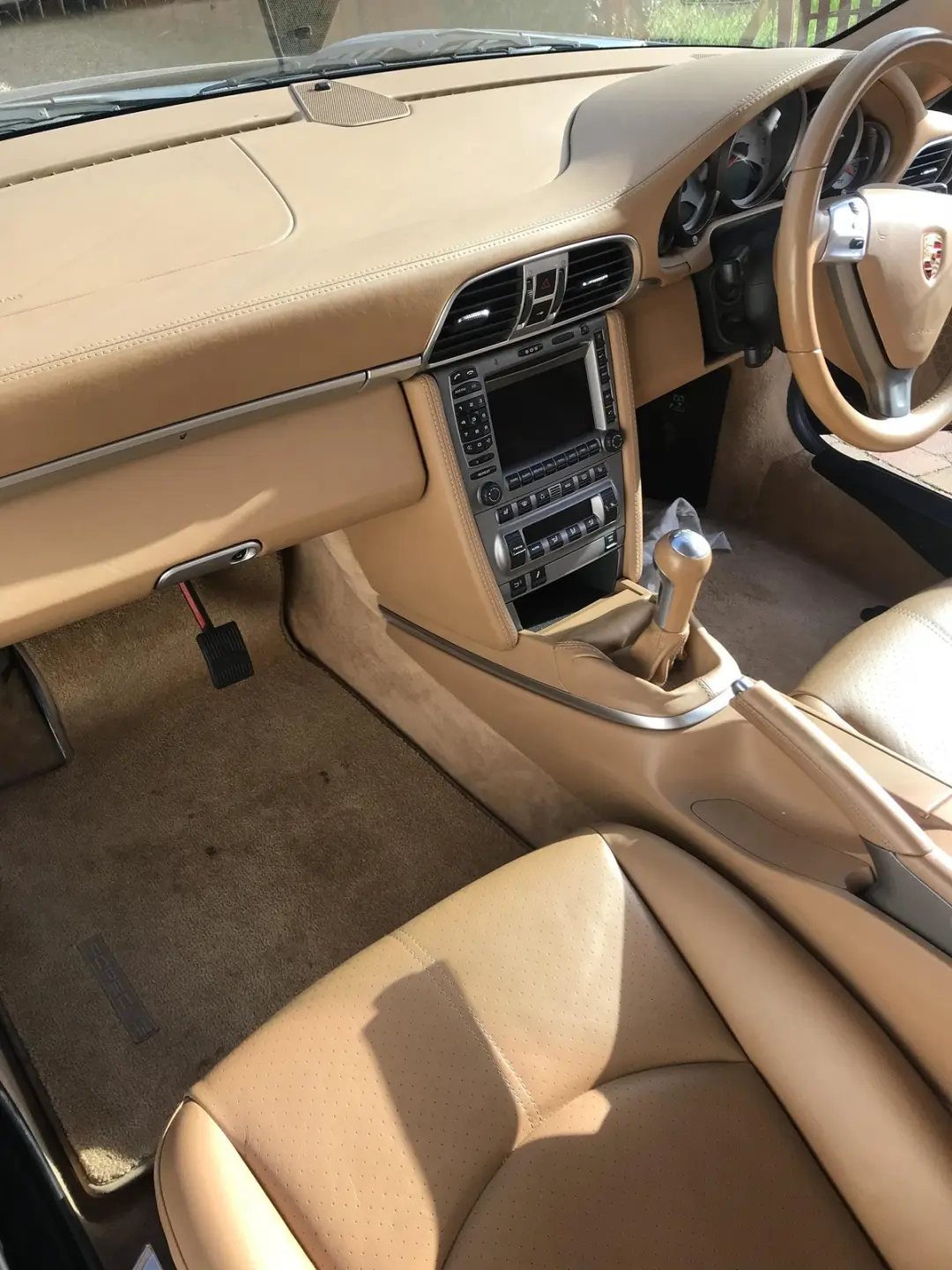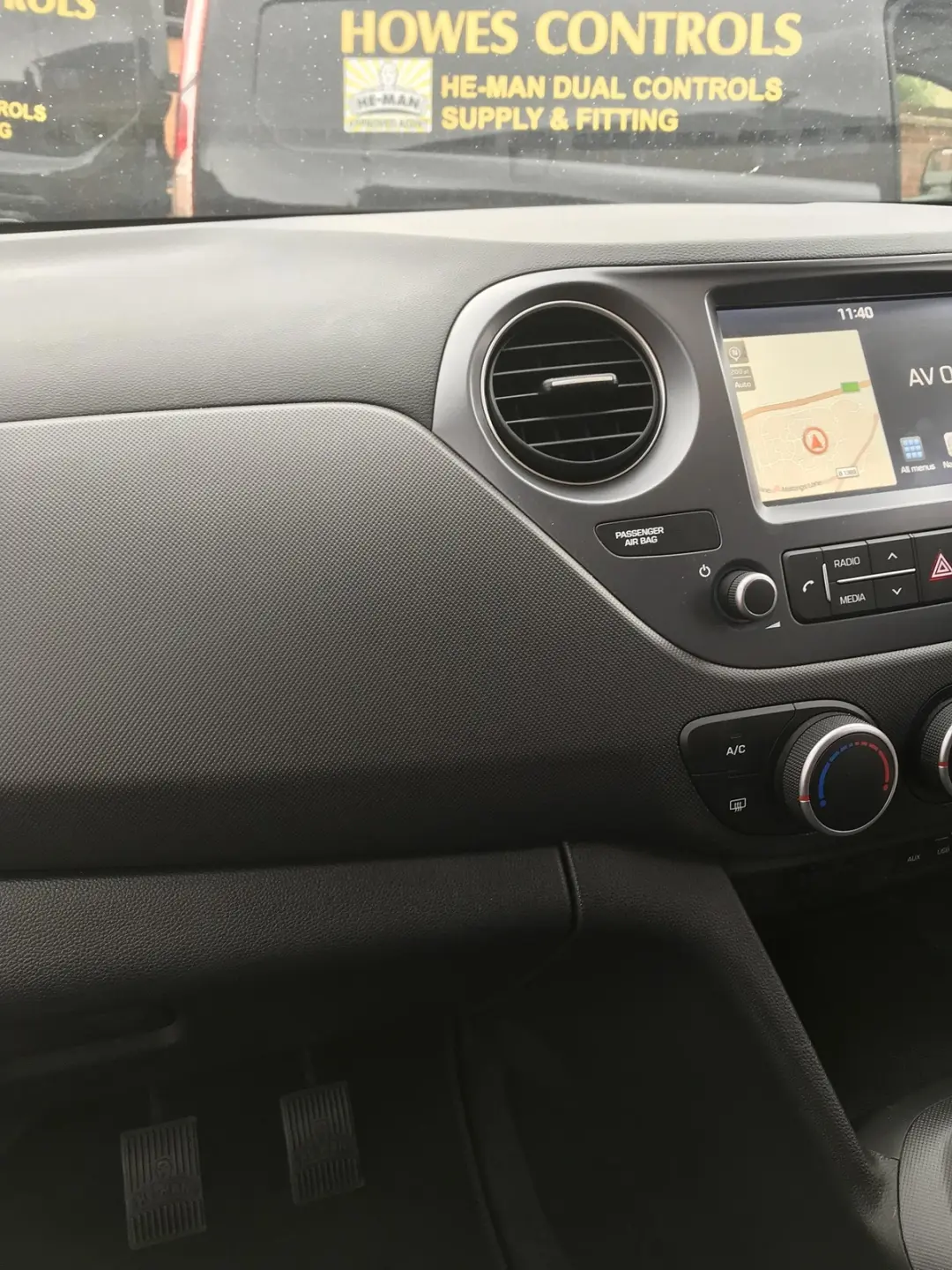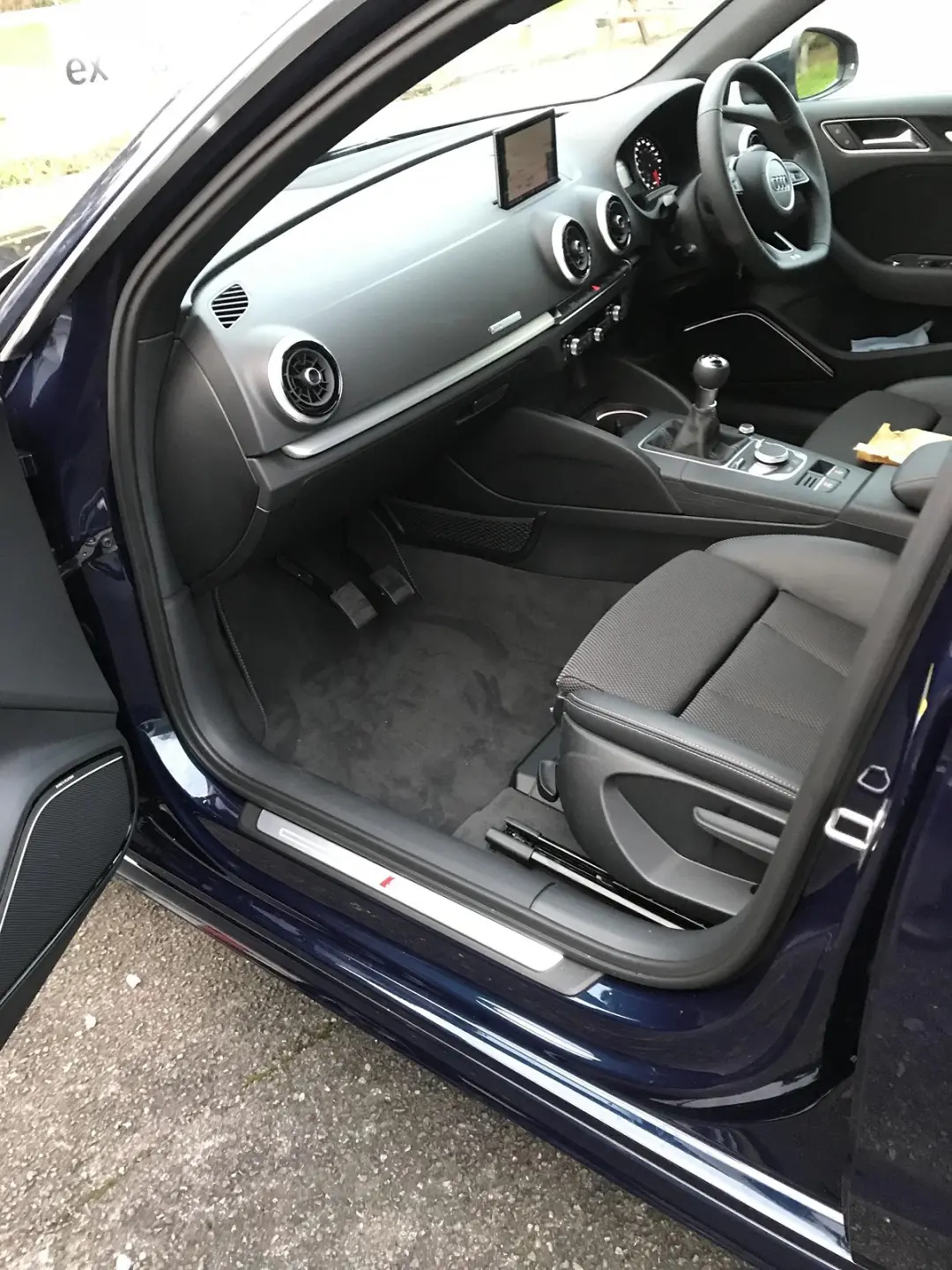
Treat a used teaching car as two purchases in one. Check the condition and history of the vehicle, then separately establish what the fitted controls are, who installed them and what support is available. A valid MOT and a second set of pedals leave important questions unanswered.
Start with the vehicle record
SMMT counted 2,030,619 UK used-car transactions in July to September 2026, up 0.5% year on year. That covers the wider used market. Give yourself time to walk away from an unclear teaching-car purchase, even if it would save you arranging a fitting immediately.
Check the registration and identity against the documents. Read the MOT history for repeated advisories and look at how mileage changed between tests. Ask for service records and check for outstanding safety recalls before organising an inspection.
Ask for the control kit’s identity
Look for the invoice or installation certificate and ask for the kit make, part number, installation date and maintenance history. If a dealer says the controls were recently serviced, ask for the dated record. Find out whether the previous owner or the fitter can supply missing documentation.
Check the manufacturer’s terms directly. He-Man publishes conditions on its extended guarantee and its terms restrict transfer of warranty benefits. Confirm what applies to the specific kit and transaction before assigning a value to any advertised warranty.
Ask a fitter to inspect the controls
A qualified fitter can assess whether the installed kit is suitable for the vehicle and whether the pedals operate as intended. Arrange a separate mechanical inspection if the vehicle history leaves questions about the car itself. Ask for a written estimate for any required work before committing.
Sit in both front seats with the vehicle stationary. Check that you can adopt your usual teaching position and that the learner has a clear footwell. If something catches, fouls or feels inconsistent, leave the assessment to the fitter.
Compare the price with a fresh installation
Add inspection, any remedial work and the likely time off the road to the asking price. Compare that total with a sound standard car plus a new compatible kit. The cheaper option is the one with the better total cost after you account for the work needed to use it.
Use a written comparison at the viewing
Prepare a sheet with separate entries for the vehicle condition, the fitted equipment and the work needed before tuition. Under vehicle condition, write down any repairs the seller has agreed to carry out. Under controls, record the installer and the evidence for the most recent service. Mark anything that remains to be checked by an independent professional.
Ask whether the vehicle has been used by several instructors and whether the seller has documentation for periods of heavy use. A low reading on the odometer tells you little about how many lessons the controls have seen or how regularly they were checked. Give more weight to records and inspection findings than a general description of the car.
When you calculate the first month’s costs, include any period the car will spend waiting for parts or assessment. If the equipment history is unclear, use the cost of bringing the car up to the standard you need when comparing it with another vehicle. Confirm with your insurer that the car and its installed equipment can be covered for the tuition you intend to provide.
Keep the seller’s claims and the inspection findings side by side. If a document is missing, note which decision depends on it so you can ask a precise question before paying a deposit.
Summary
Verify the car’s history and the controls’ paperwork separately. Get a fitting or inspection estimate before deciding what the existing kit is worth.