A learner can drive on an English motorway only with a DVSA-approved driving instructor in a dual-control car displaying red L plates. For instructors teaching near the M20, M2 or M25, the decision also depends on whether the pupil is ready to join faster traffic and manage it for the whole lesson.
Know who can supervise
Highway Code rule 253 sets out the requirements for provisional car licence holders on motorways. A parent or friend cannot supervise a motorway lesson, and the rule specifies an approved driving instructor. A dual-carriageway lesson can help a pupil develop some of the relevant skills before a motorway session.
DfT estimates that Great Britain’s motorways carried 71.9 billion vehicle miles in 2025, up 2.4% from 2024. That is a national traffic estimate. Check live conditions for the junctions you intend to use before setting out.
Decide whether the pupil is ready
Look for independent mirror use, consistent speed selection and the ability to respond calmly when another vehicle changes lane. Ask the pupil to explain how they would join and leave the motorway. If they still need frequent prompts on a dual carriageway, keep the next session there.
For a first motorway lesson, select an entry and exit the instructor knows well. Discuss where to merge, how to respond to variable limits and what to do if an exit is missed.
Prepare the vehicle before the route
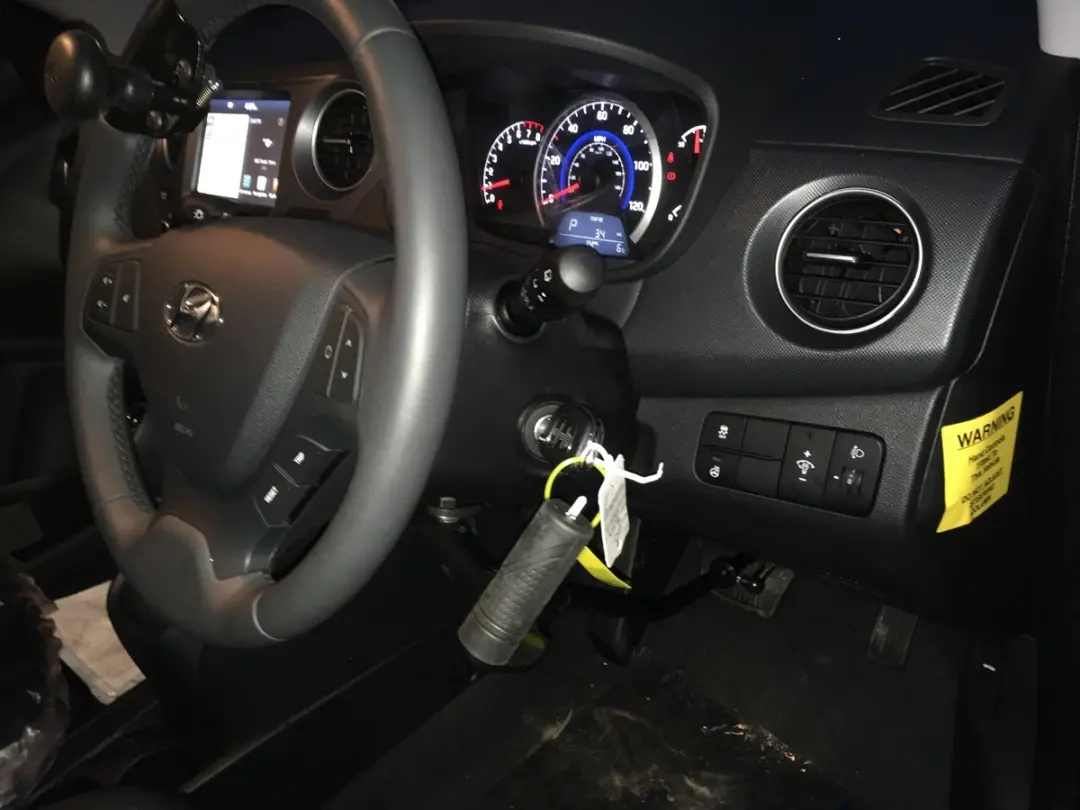
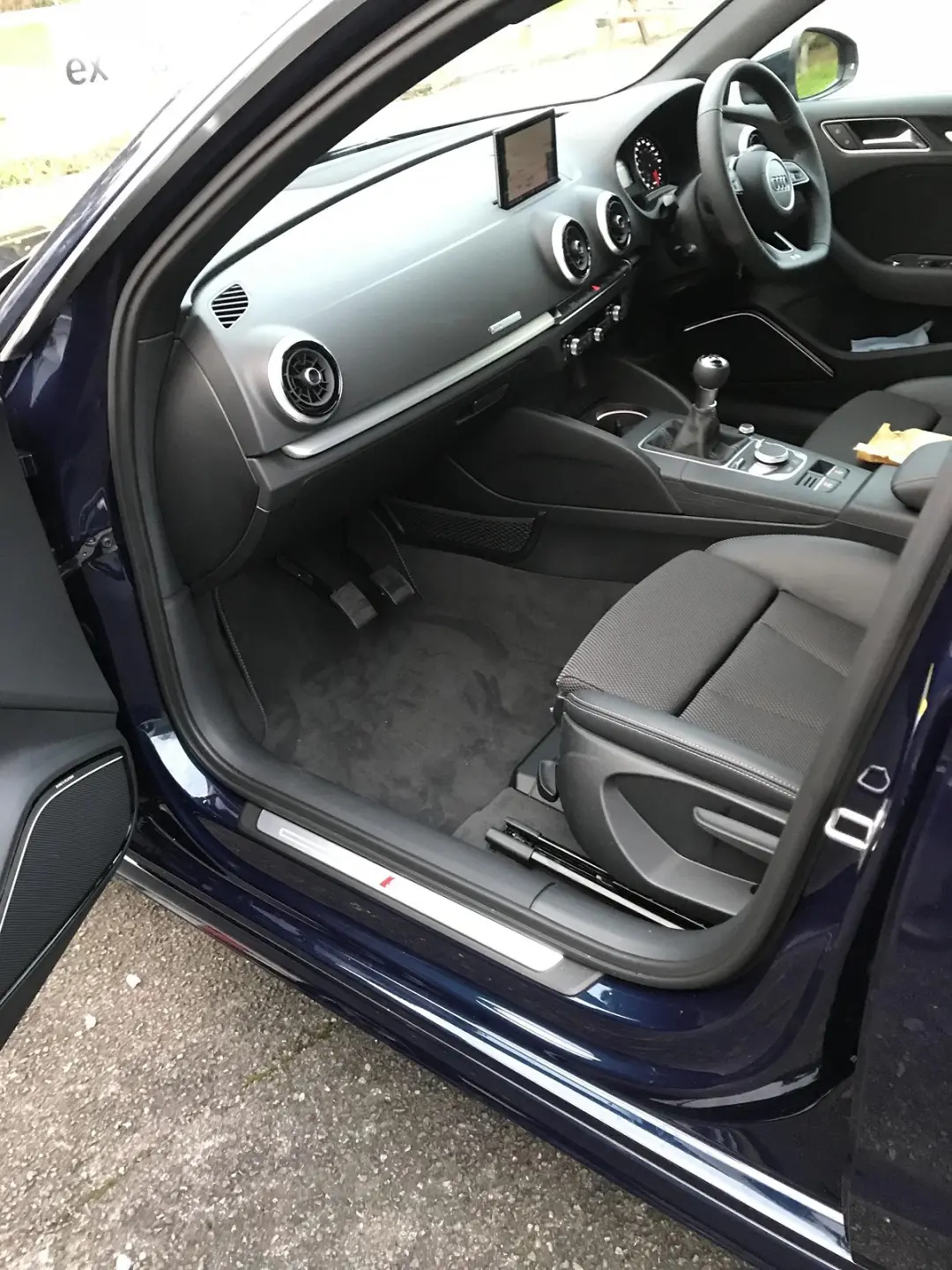
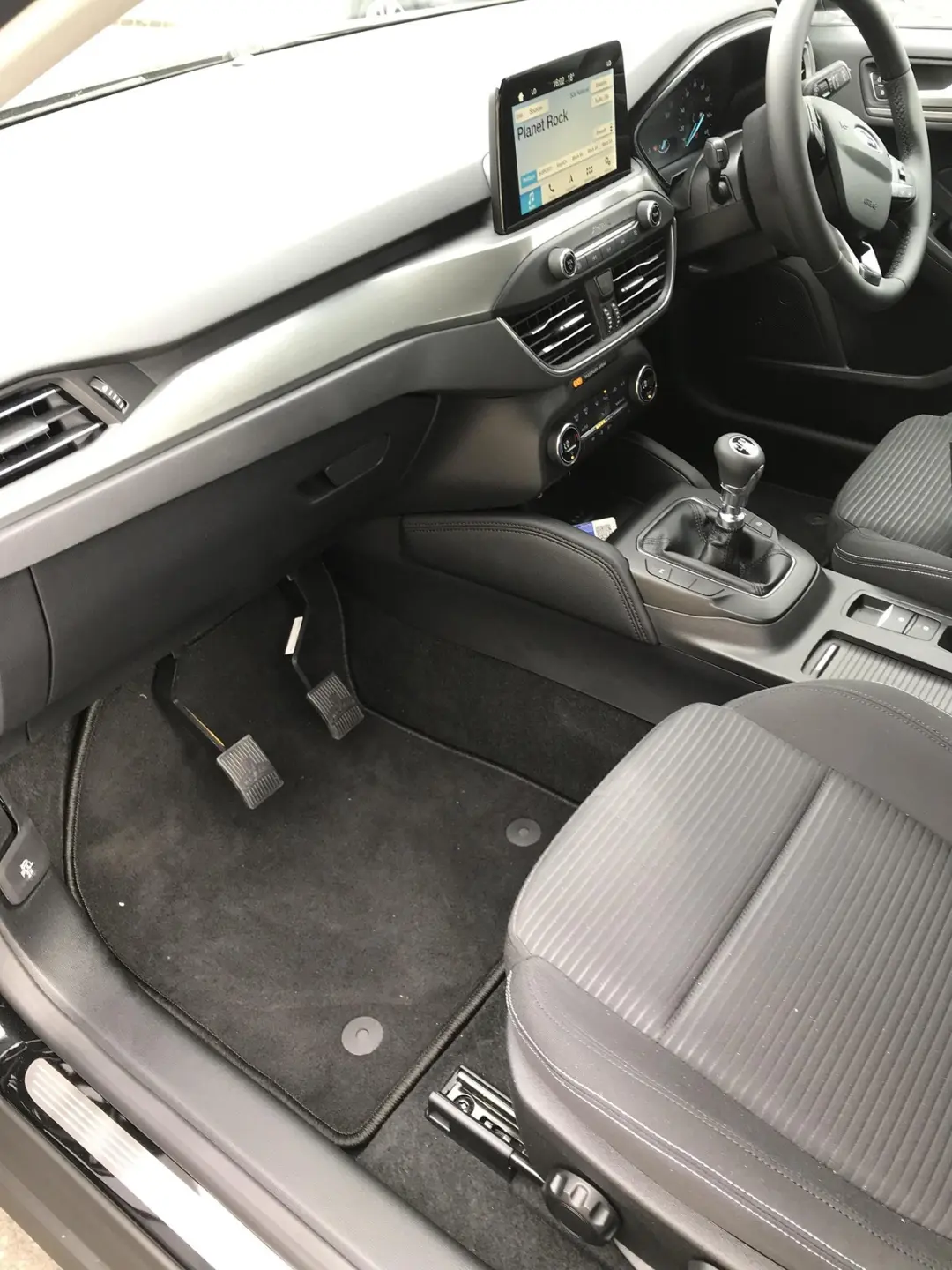
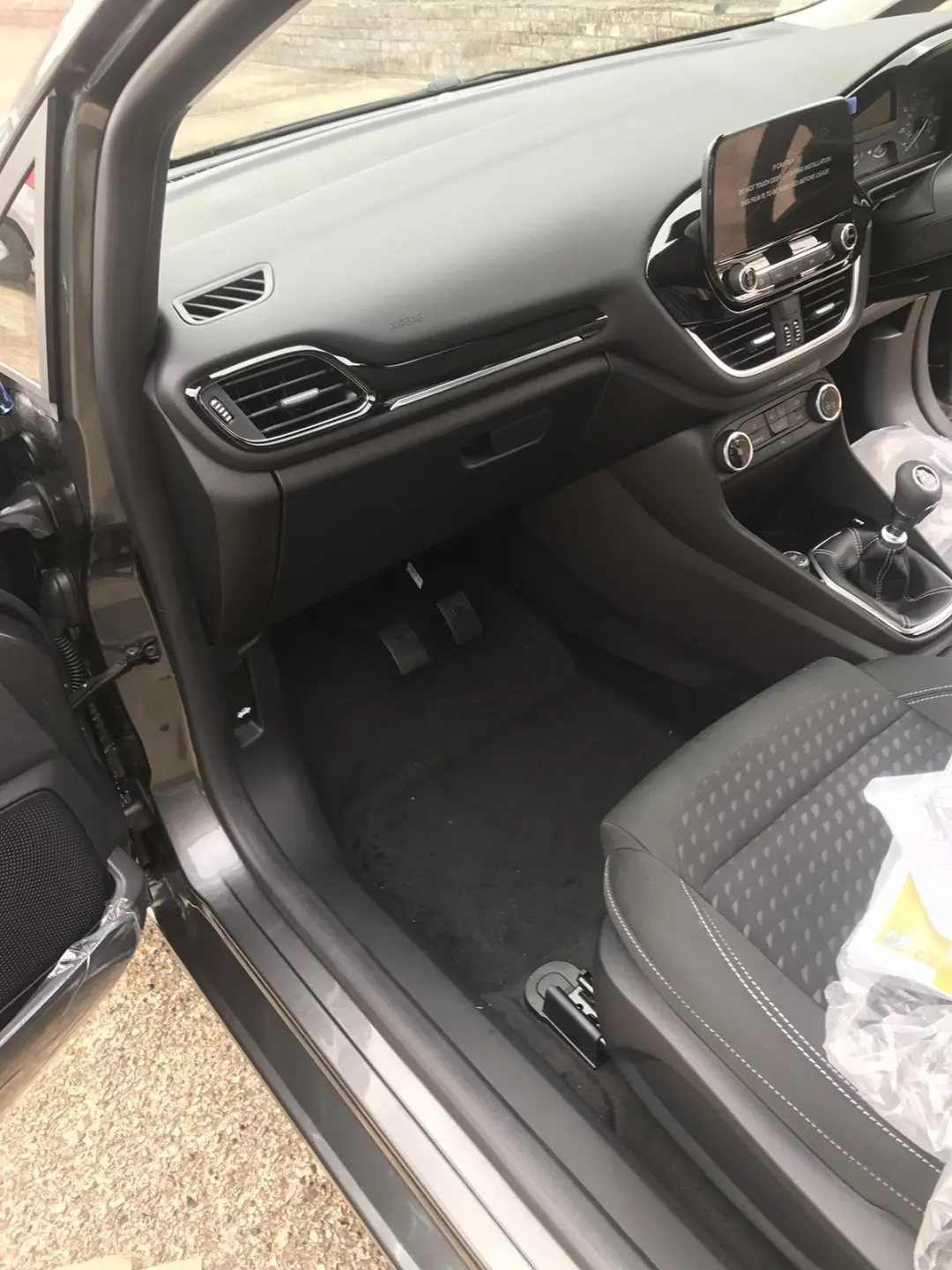
Check that the learner plates are clearly displayed and that the instructor can operate the added pedals from their normal seat position. Follow the fitter’s handover checks. Use a different vehicle or postpone the motorway section if the controls behave unexpectedly.
Discuss verbal cues before joining so the pupil knows what to expect. The role of the second set of pedals is to support the instructor’s management of risk. The pupil still needs to carry out observations, plan gaps and control the vehicle.
Build in an easy way to shorten the lesson
Choose an earlier exit where possible and explain when you might take it. Heavy traffic, poor visibility or an anxious pupil can change the plan. Finish in a safe place and ask what the pupil noticed about traffic speed, following distance and workload.
Give the pupil one measurable goal
For a first session, ask the pupil to explain how they will look for a gap and match their approach to traffic before you reach the slip road. Listen for how they will respond if their preferred gap changes. The discussion gives you time to adjust the route before the pupil has to deal with the motorway itself.
Plan where you can review the exercise after leaving the motorway. Ask which observations helped and when the pupil first realised a gap was changing. If their attention was overloaded, choose a quieter session or revisit related skills on a suitable road with lower demands.
Include a short check that the instructor’s seat is positioned for normal visibility and access to the fitted controls. For a school with several cars, confirm who is taking which vehicle before the lesson so that the pupil knows what to expect. If the car or instructor changes, check the motorway requirements again as part of deciding whether to use the planned route. Agree what conditions would make you change the lesson before setting off.
Make sure the learner has practised reading overhead signs and responding to changing limits before asking them to manage several new tasks at once. Choose the next lesson using what the pupil actually found difficult.
Summary
Plan the first motorway session only when the pupil and the tuition car meet the demands of the route, and make sure the legal requirements are in place.