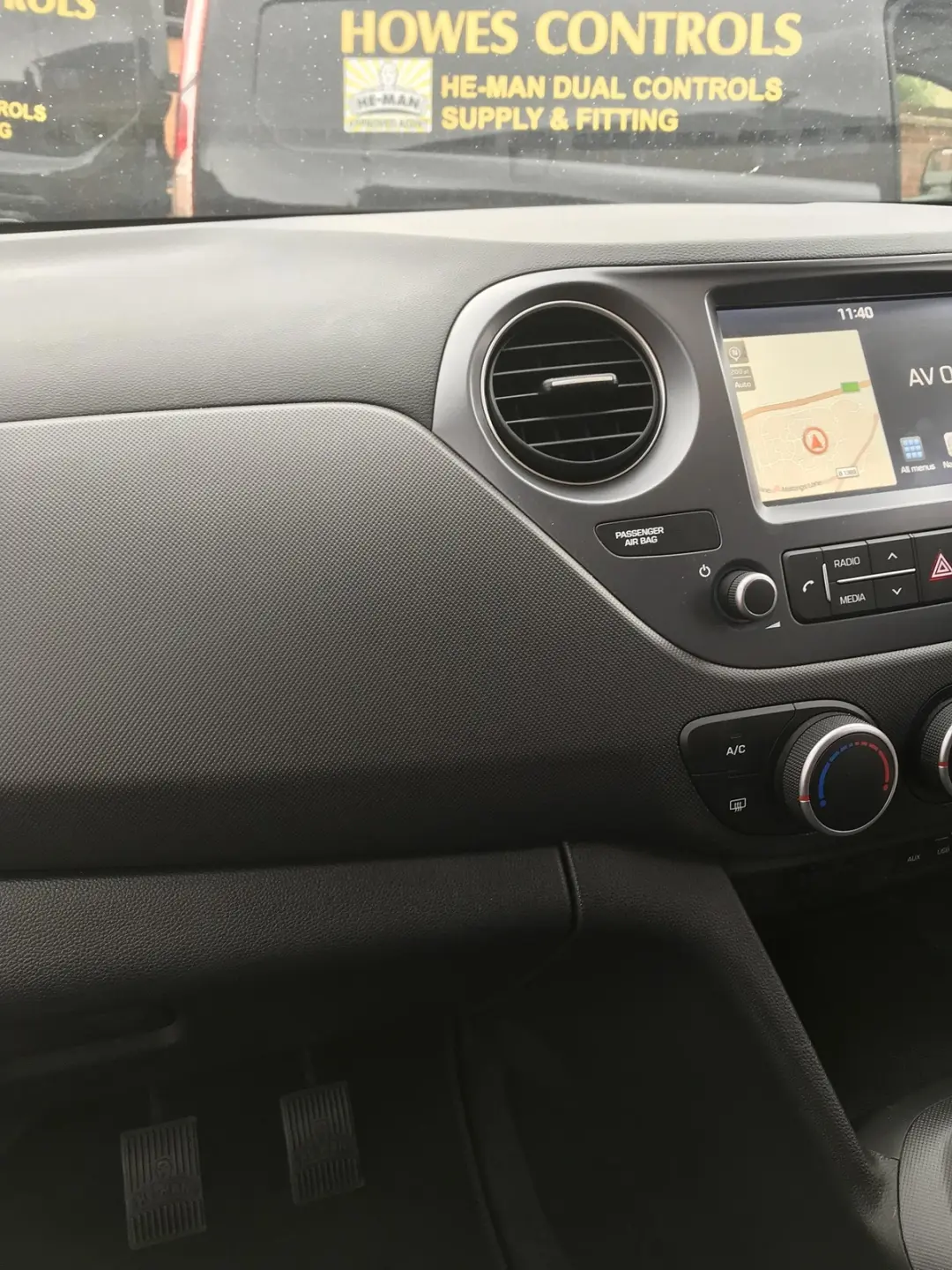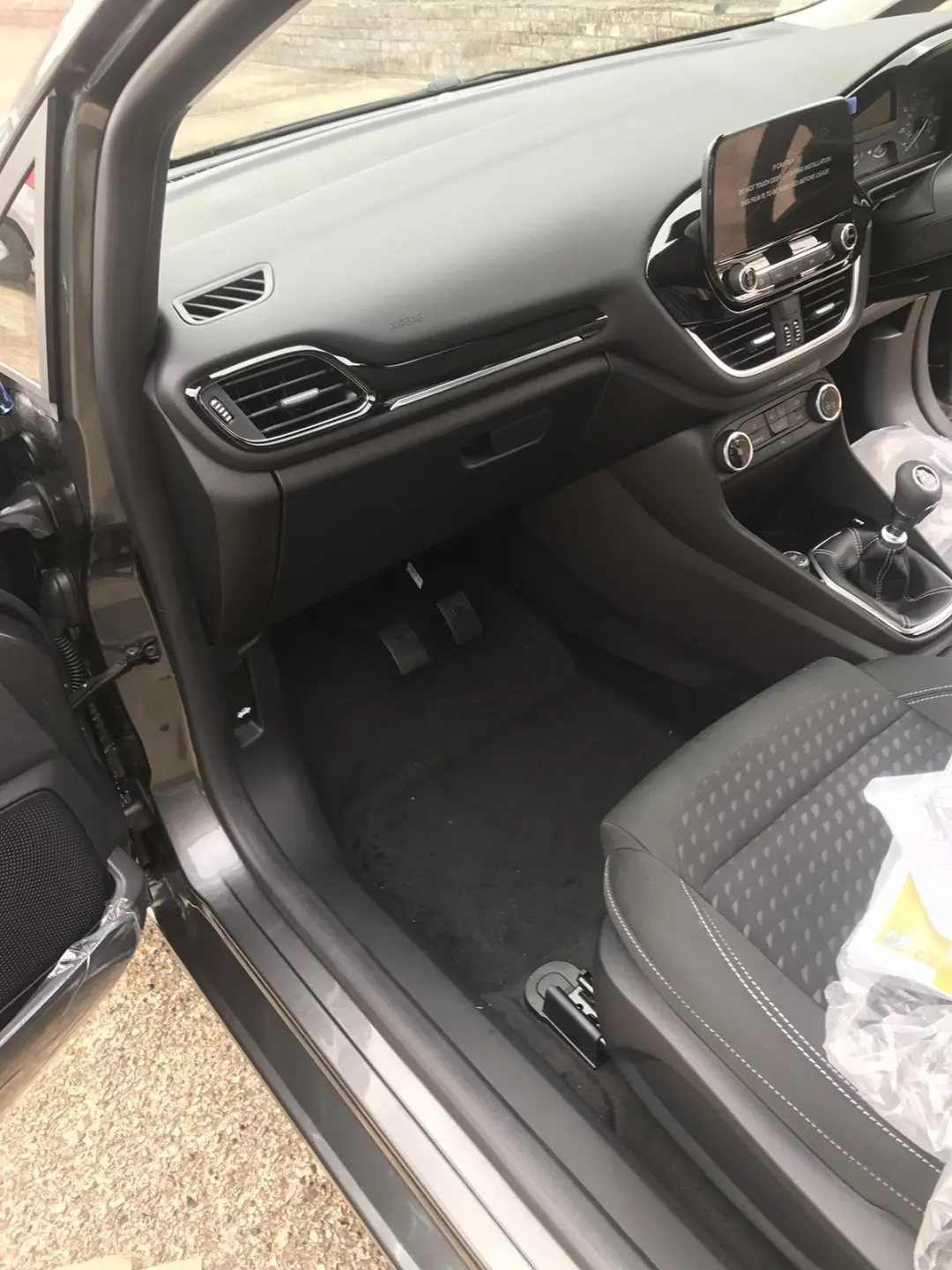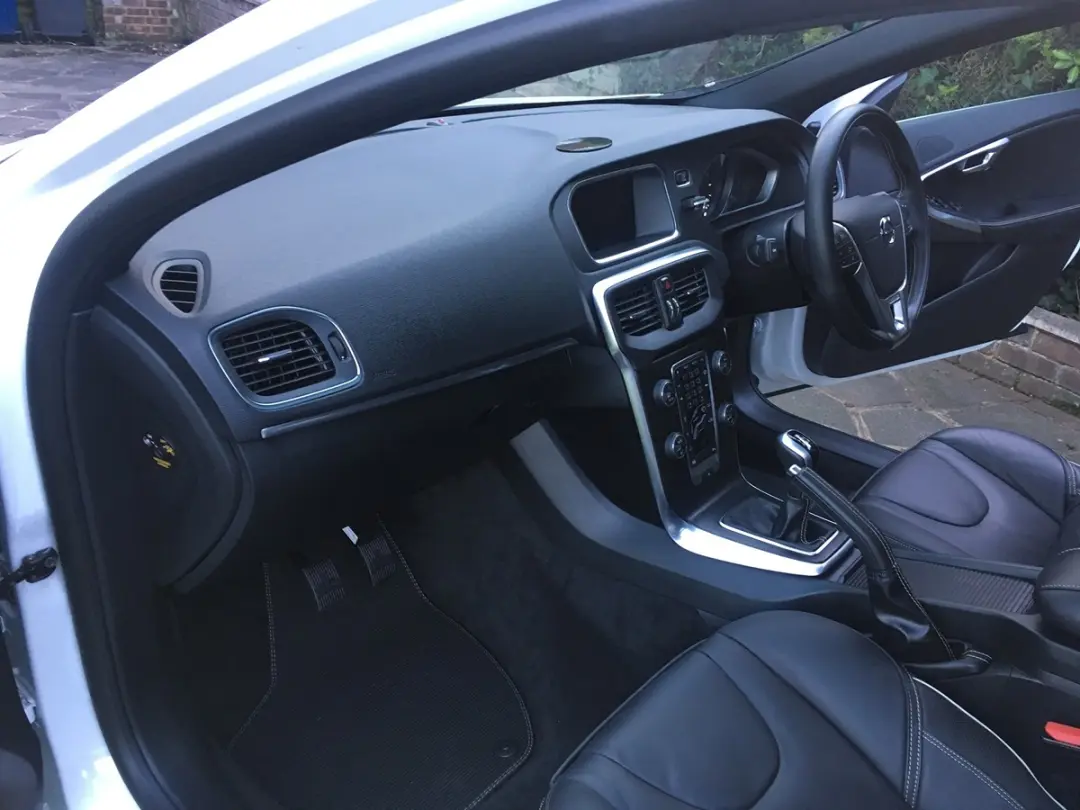
Choose a car that meets DVSA’s Part 3 rules, that your pupil already understands and that gives you a normal teaching position. Arrange any fitting early enough to practise in the finished car with your pupil before the assessment.
Choose a car for the assessment
Check the current Part 3 vehicle rules, including insurance for the assessment, MOT where required, and space for the examiner. DVSA rules require three full-size rear seats. A hired vehicle must have dual controls and satisfy the other criteria.
If you intend to use the car you already teach in, confirm the cover specifically mentions or includes Part 3. Review the car rules for any applicable model restrictions, warnings or recall evidence before relying on it.
Practise in the car with your actual pupil
DVSA says the assessment lasts about 45 minutes and covers 17 areas of competence. DVSA also reported 1,998,608 car driving tests in Great Britain between April 2025 and March 2026, an increase of 8.6% on the previous year. That is the volume of learner car tests, a separate measure from instructor qualification. Prepare for Part 3 by agreeing a lesson goal with your actual pupil and giving them time to get used to the car before working on it in unfamiliar traffic.
Tell the pupil how you will give prompts and what you might do if a safety issue arises. In practice, choose a place to stop and discuss an intervention afterwards so the pupil can identify what they noticed and what to do next time.
Keep the equipment familiar
If the car has recently had controls fitted, attend the installer’s demonstration. Check the position from which you can operate the equipment comfortably and review the instructions before the lesson. Clear both footwells and check that any camera complies with DVSA’s requirements for recording.
Avoid a last-minute car change where possible. A back-up is useful only when it meets the rules and the pupil has enough familiarity with it to participate in a normal lesson.
Plan around the pupil’s goals
Use the pupil’s existing skills to choose the roads and traffic conditions for the lesson. Build in a suitable place for a brief discussion at the start and a review at the end. The car should let both of you concentrate on the lesson and how you manage risk.
Plan a rehearsal around the actual assessment
Make one practice session a full run-through in the chosen vehicle. Start with the pupil’s goal, then choose a suitable route and finish with a short review. Ask a trainer for feedback on the way you explain a risk and the timing of your prompts. Use that feedback to decide what to practise again.
Bring the car and the pupil together before the assessment if either has changed. Check that the seating and mirrors can be set quickly, the pupil knows the car’s main controls and the examiner will have suitable access to the rear seat. If you borrow a car, agree when it can be collected and how you will confirm its insurance for the assessment.
Give any new controls time for a proper handover before rehearsing. Write down what you will ask the fitter to demonstrate, and check the guidance that came with the equipment before carrying a pupil. On the assessment day, leave time for the simple tasks that affect concentration, including clearing the vehicle and arranging the pupil pickup. Keep the preparation focused on delivering a lesson the pupil can learn from.
Give the trainer the information they need about your pupil’s experience before the rehearsal. That lets them comment on whether the route and exercise match the pupil’s needs as well as how you deliver the lesson.
Summary
Check eligibility and insurance early, then rehearse in the fitted vehicle with the pupil you plan to bring.