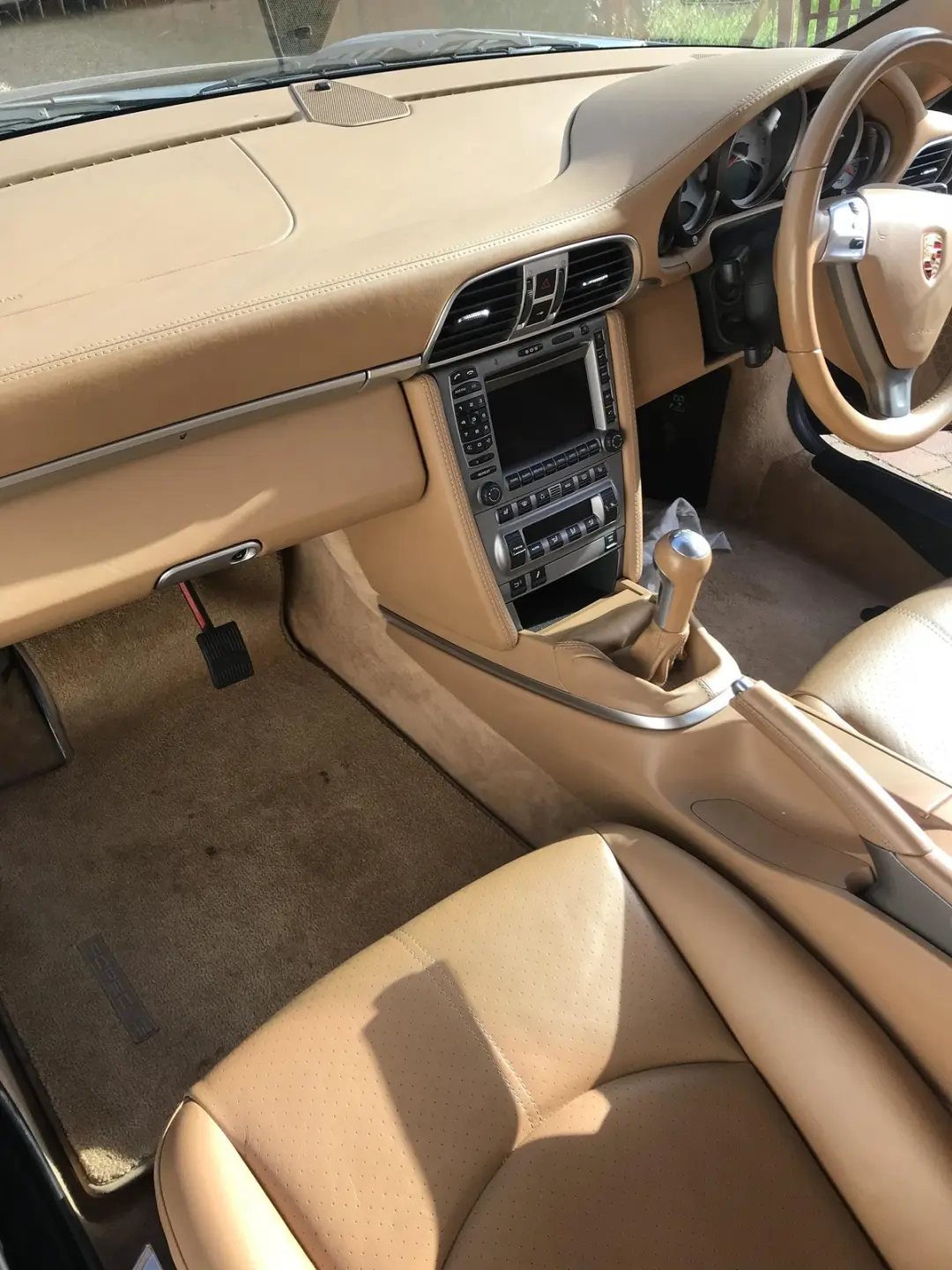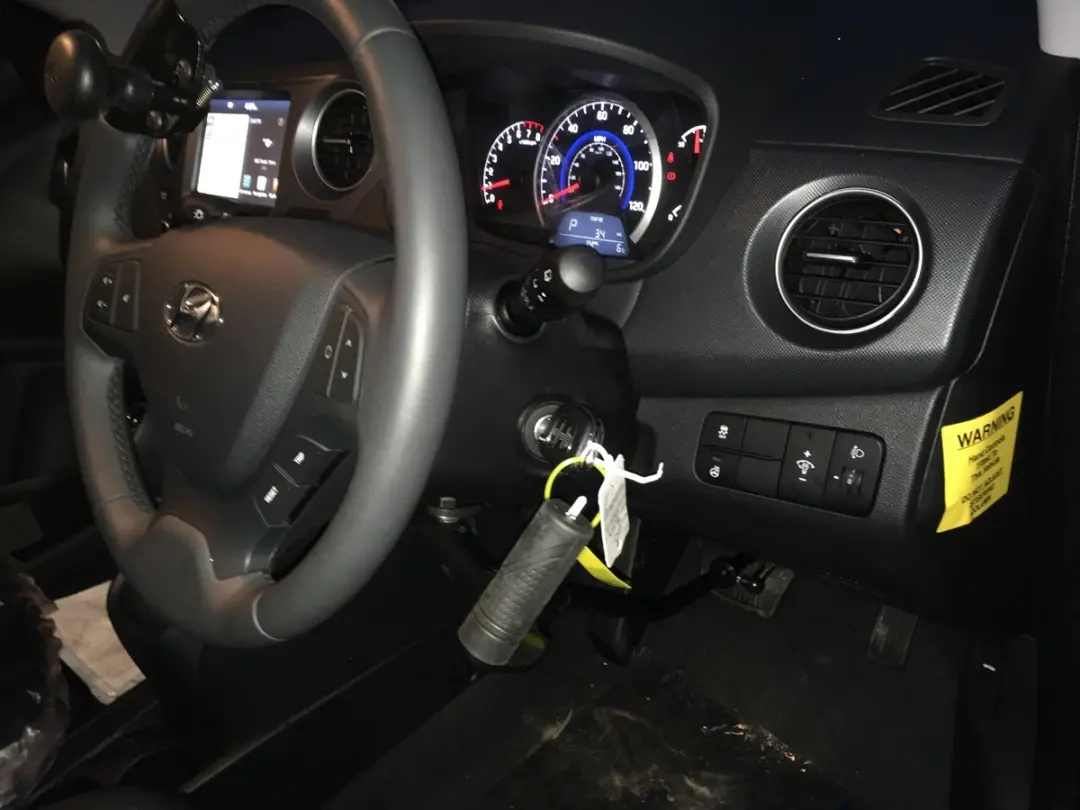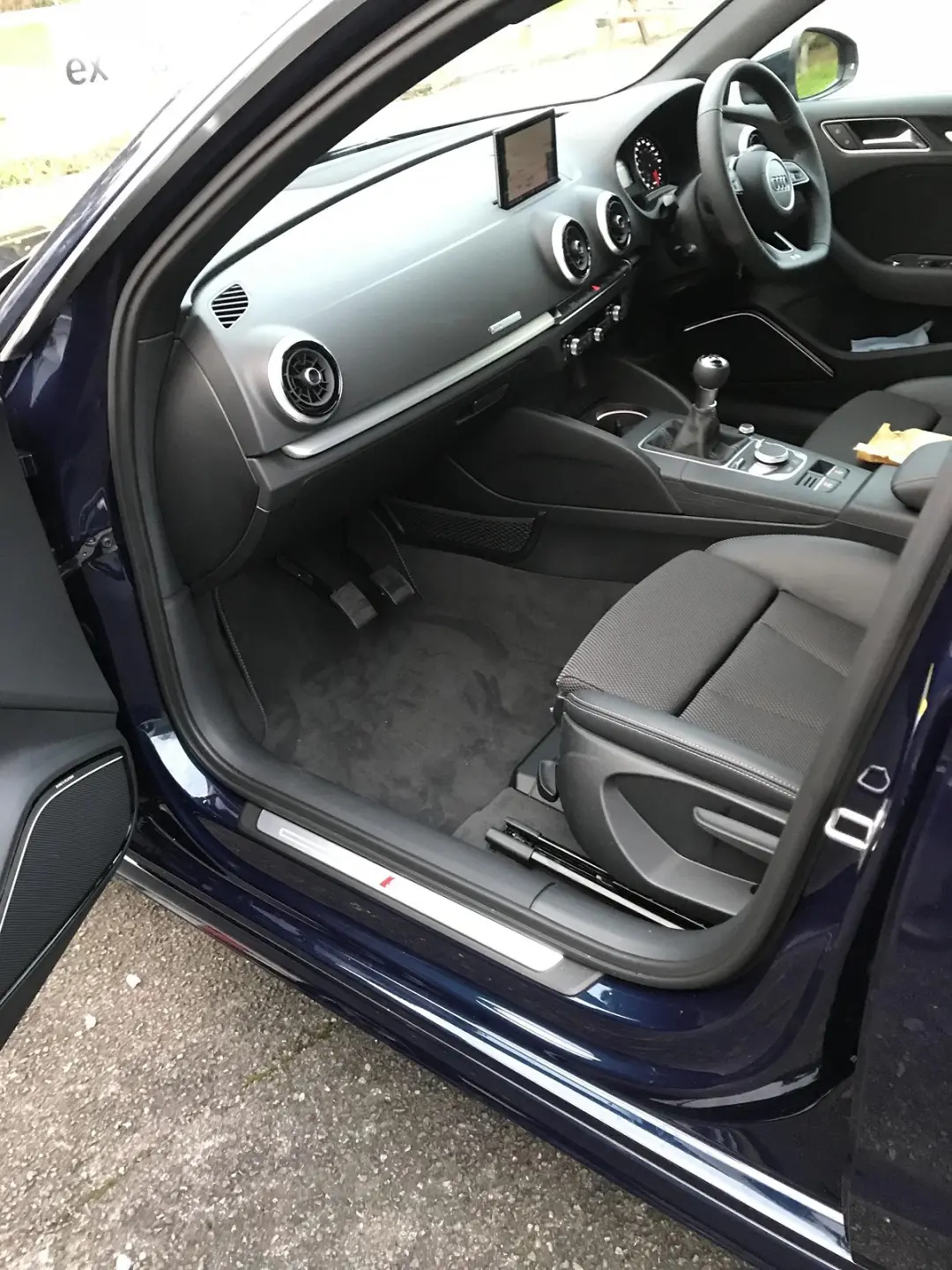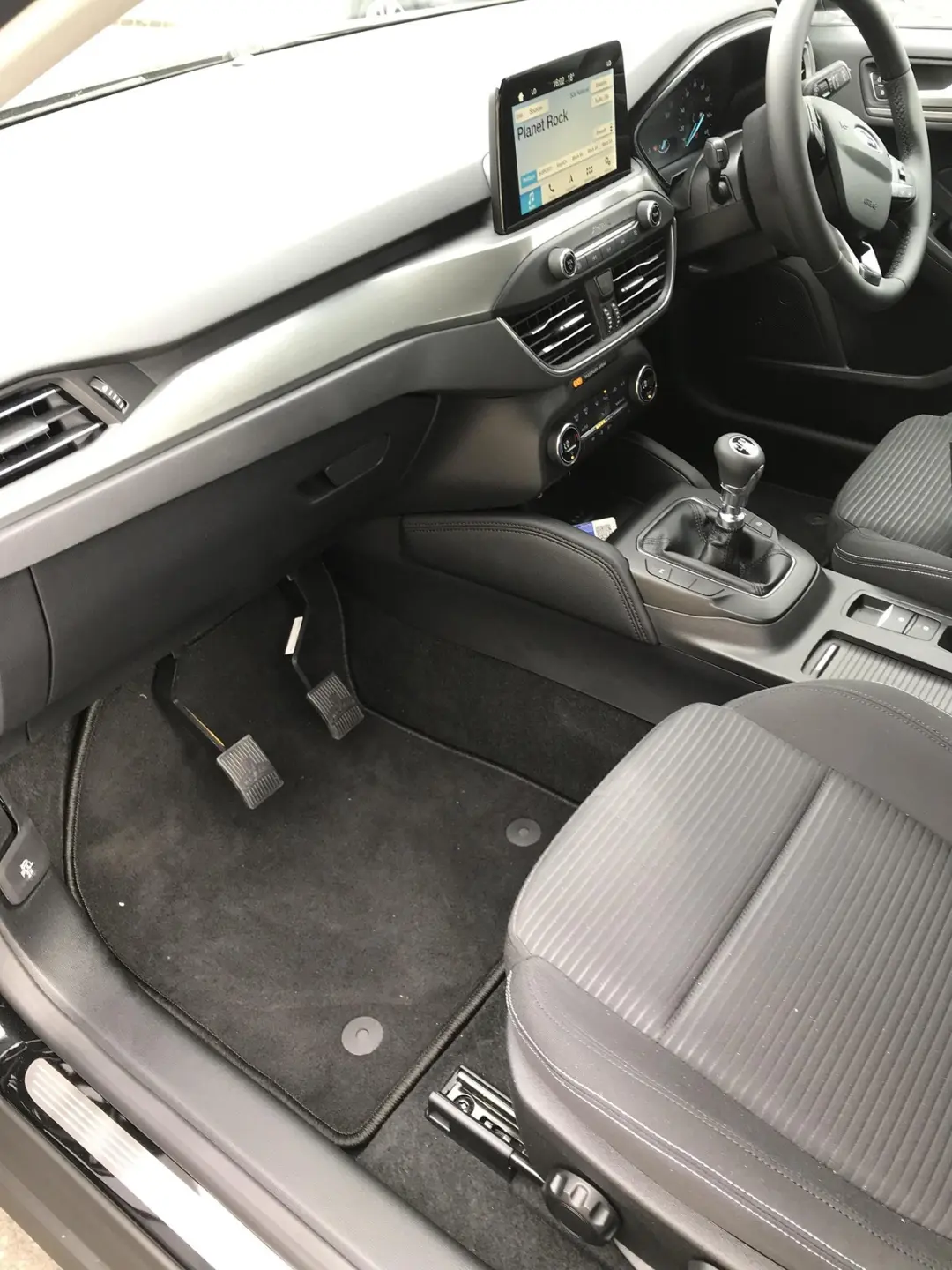
An electric car can be a practical choice for automatic lessons when a fitter can confirm a suitable dual-control kit for the exact vehicle. Check compatibility before ordering the car, then use a demonstration drive to assess how its braking settings feel and whether charging fits your lesson diary.
Match the controls to the exact EV
The Department for Transport recorded 147,190 first registrations of zero-emission cars in the UK in April to June 2026, 27.3% of all new car registrations in that quarter. A growing choice of cars makes it worth comparing several models, but registration figures tell you nothing about kit availability.
Give the fitter the model year, trim, steering side and full derivative. Ask which instructor pedal the kit adds, how it interacts with the original brake and which handover checks are included. Ask for a written compatibility check if a dealer is holding a car for you.
Try the braking settings yourself
Some electric cars slow when the driver lifts off the accelerator, with the amount depending on the selected regeneration mode and vehicle conditions. Read the owner’s manual and try the modes as a qualified driver before you teach in the car. Pay attention to what the car does near walking pace and when it comes to a stop.
During the handover, ask the fitter to demonstrate the instructor brake and explain what you should notice in normal use. Get comfortable explaining the difference between lifting off and using the brake pedal before a pupil needs to make that decision in traffic.
Plan charging around the busiest day
Write down a busy teaching day, including mileage between lessons and the time available to recharge. Check whether the car can start the next day with the charge you need. If your plan relies on a public charger, visit it at the time you would normally use it and build in an alternative.
An advertised range is a starting point. For the purchase decision, compare your own mileage, time spent heating or cooling the car and the length of the gaps in your diary.
Decide which pupils the car can serve
If you currently teach in a manual car, identify the pupils who want a manual licence before you change. GOV.UK explains that passing the car test in an automatic limits the licence to automatic vehicles. Set expectations early and give pupils time to make their choice.
Compare the car at the seat, not on paper
Book a demonstration long enough to try the controls from both front seats. As the instructor, consider what you can see past the pillars, whether the seat has enough adjustment and how you will explain the instruments to a beginner. Ask the dealer how the selected driving mode is displayed and whether the setting persists after restarting.
If the car will be shared, agree which controls and settings the next instructor needs to check at the start of a shift. Put that guidance with the keys or in the vehicle handbook. Avoid making a change to the mode mid-lesson while the pupil is learning what the pedal does.
Use a real charging session to estimate how much time it takes to arrive, plug in and get back to teaching. The time spent finding a charger or moving the car afterwards matters as well as the charging time. If the proposed routine would cut into lessons, change the diary assumptions before deciding which car to order. Ask the insurer to confirm the proposed tuition and test use in the modified vehicle.
Include a handover with the installer in the delivery plan. Keep a copy of the kit information in the car so a second instructor can identify the controls and know who to contact about them.
Summary
Choose an EV after checking the kit, practising with its braking settings and working out how you will charge it between teaching days.