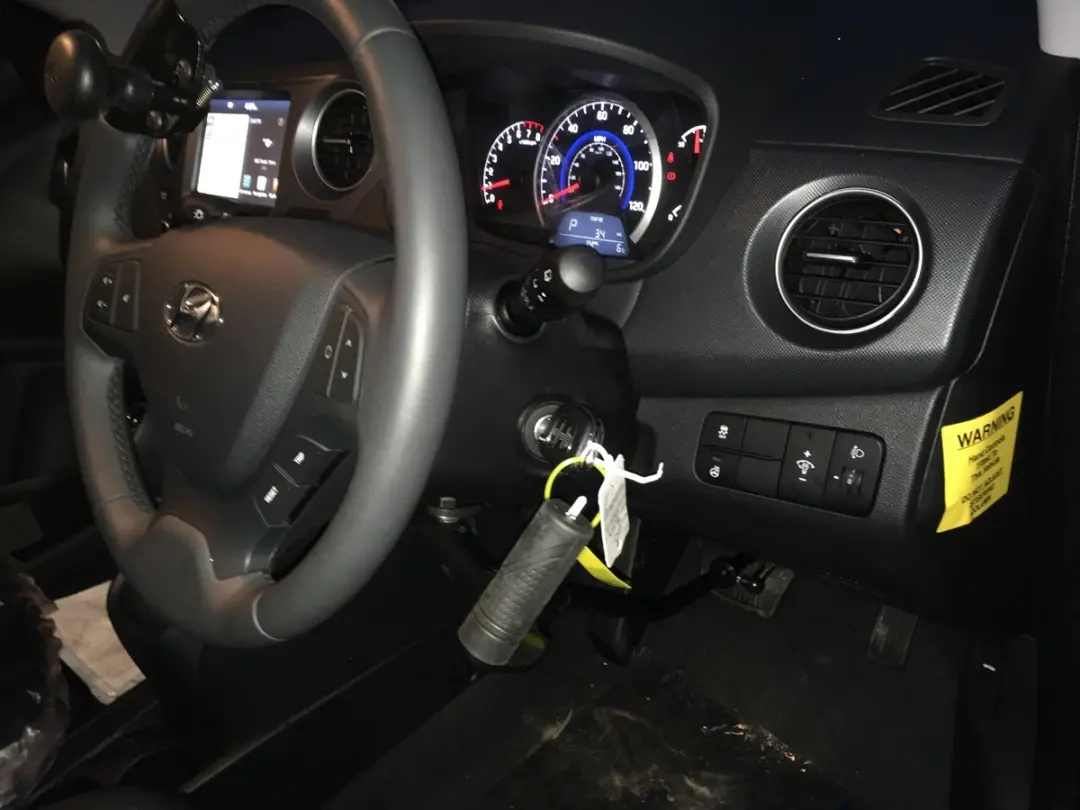
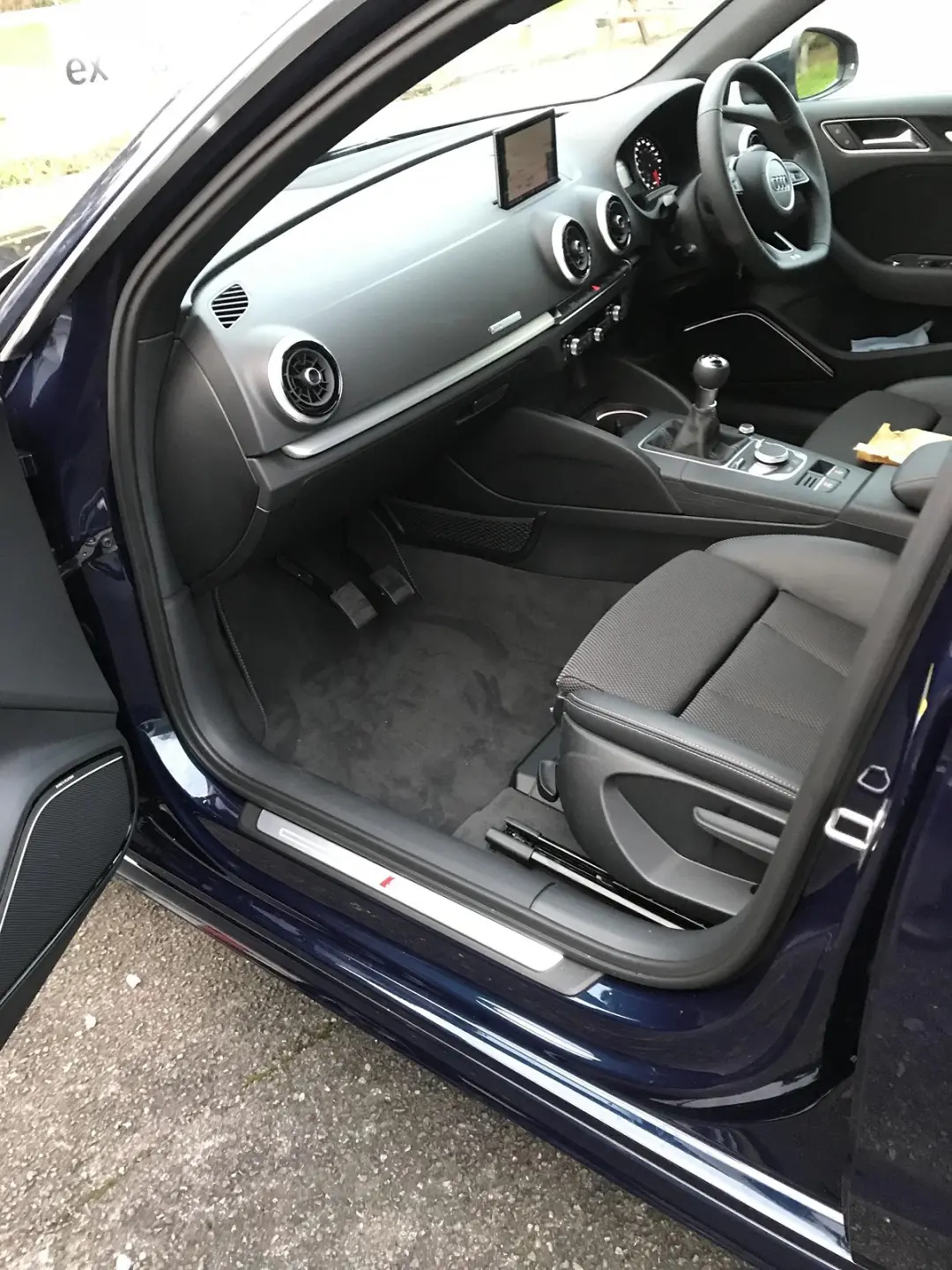
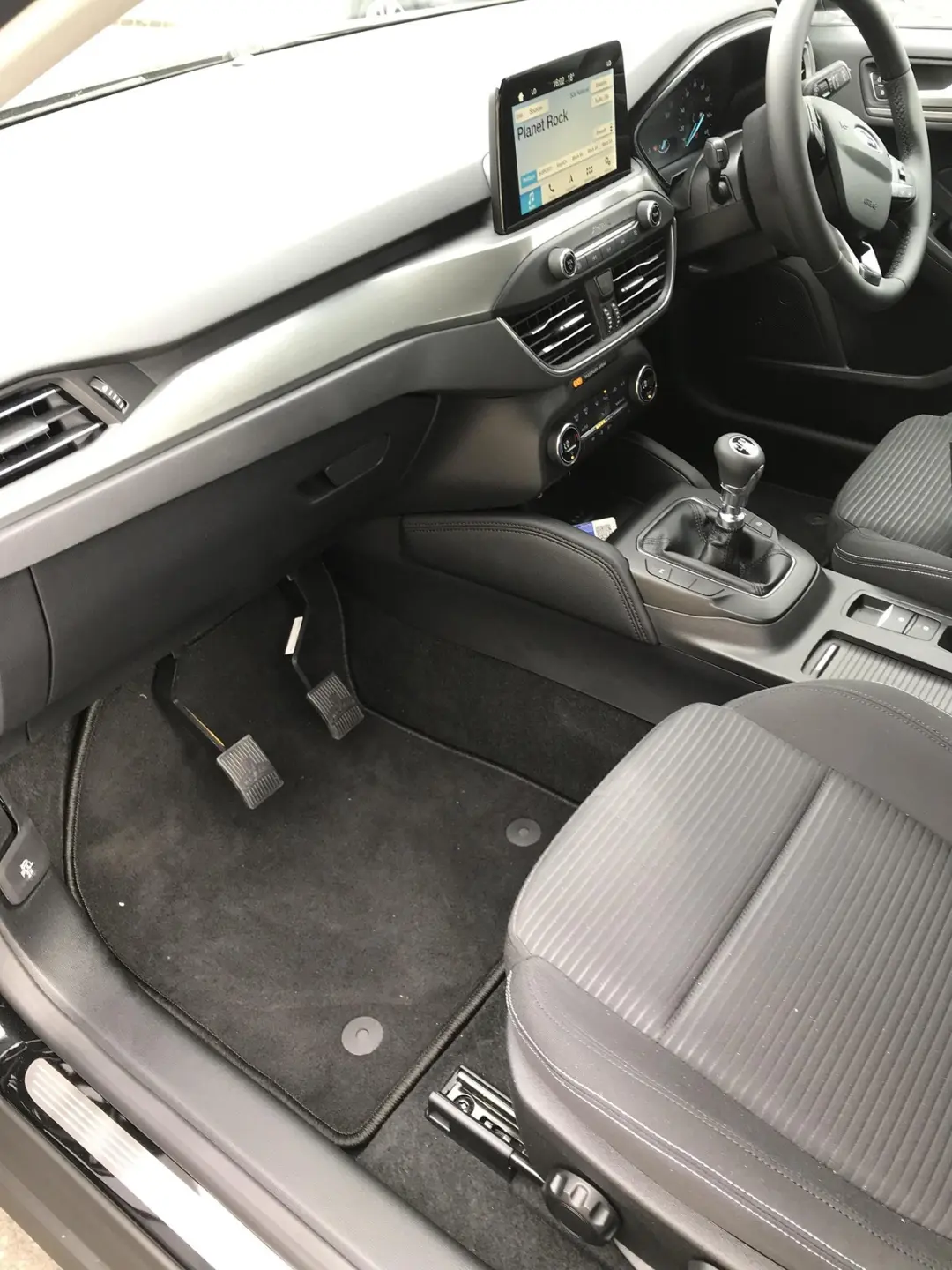
Sometimes a fitter can assess an existing kit for reuse, but you should budget for new controls until compatibility, condition and warranty are clear. A shared badge or a similar-looking footwell gives too little information to decide whether a transfer makes sense.
Get two quotes before selling the old car
Ask for the cost of removing the original kit and fitting a new one in the replacement. If the fitter can consider a transfer, ask for a separate quote for that route, including inspection and any parts required. Check whether the two cars must be available on the same day.
DfT says the average UK licensed car was 10 years old at the end of 2025, 14% older than at the end of 2020. If you are moving from an older car to a current model, compare generations as carefully as you compare makes. The national figure says nothing about how long any specific control kit lasts.
Identify both vehicles and the existing kit
Supply the model year, derivative and transmission of the outgoing and incoming cars. Find the original fitting invoice or the manufacturer’s kit reference. Ask the fitter to check whether the part is listed for the replacement vehicle and whether the equipment is in a condition they can accept.
Let the fitter make that judgement from the kit and installation records. The cost of a transfer can change if the old equipment cannot be reused or if the old car needs trim or other parts reinstated.
Understand the guarantee you would give up
He-Man says it provides no guarantee for controls removed from one car and subsequently fitted to another. Ask the installer what cover applies to their own work and compare that with the conditions for a new kit fitted by an approved agent. Keep the answers with both quotes.
Plan the handover in the right order
If you need the old vehicle for lessons until the replacement is ready, identify the last lesson in it and allow time for removal and any restoration. Agree what condition it must be in for the dealer, purchaser or lease company. Avoid committing to a handback date before the fitting plan is confirmed.
Compare the costs the two quotes leave out
Put the estimates side by side and write down what happens to the outgoing car in each scenario. If removing a kit is part of both options, ask whether removal includes putting trim back or whether those parts need to be supplied separately. Confirm which jobs are conditional on the fitter seeing the cars.
Ask what you would need to do if the transfer was abandoned after inspection. Find out whether the alternative kit can be ordered, whether the old vehicle can remain in use while it arrives and which cost you would still incur. This matters when the old car has already been promised to a buyer.
Think about how long you expect to keep the incoming car. If it will be used intensively, having a known maintenance schedule and clear warranty terms may influence the choice more than a small difference in the fitting quote. Ask for the equipment reference and the paperwork after whichever option you choose. If a car is leased, arrange permission and keep it with the documents for returning the vehicle.
Ask for the quote to state which parts are new and which would be reused. A clear written breakdown makes the comparison easier when the two options include different warranty or restoration work.
Summary
Compare transfer and new installation on compatibility, total labour, the condition of the outgoing car and the warranty you will have afterwards.