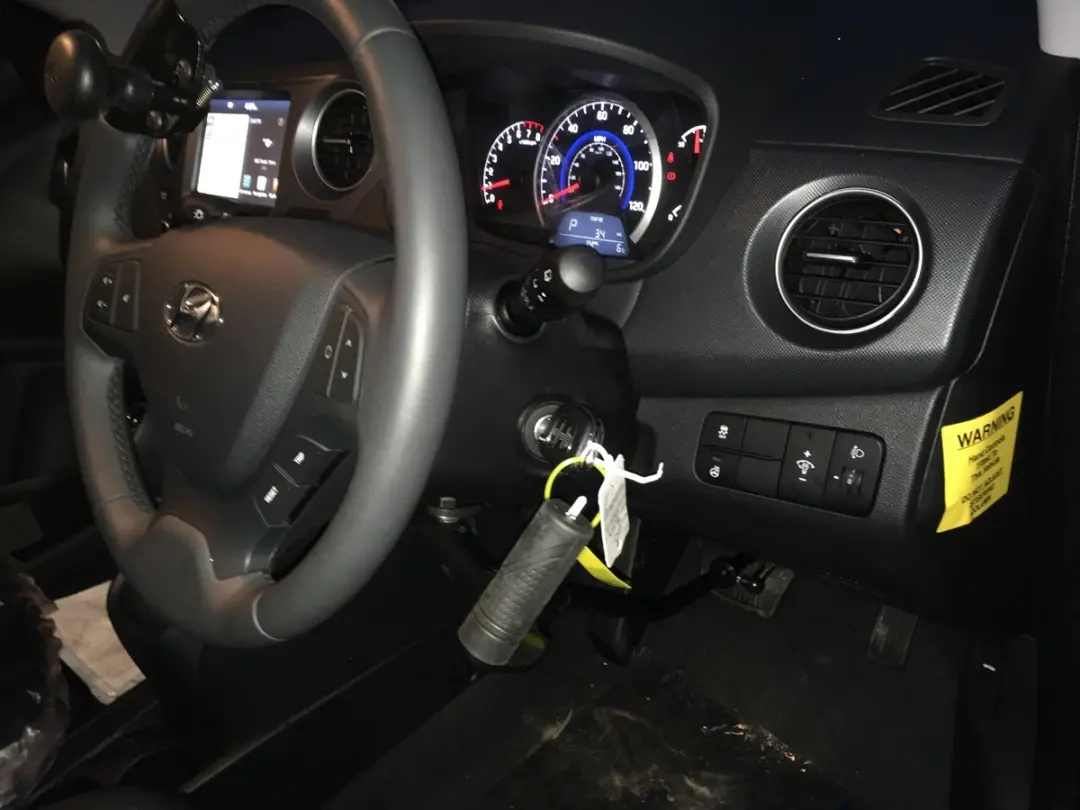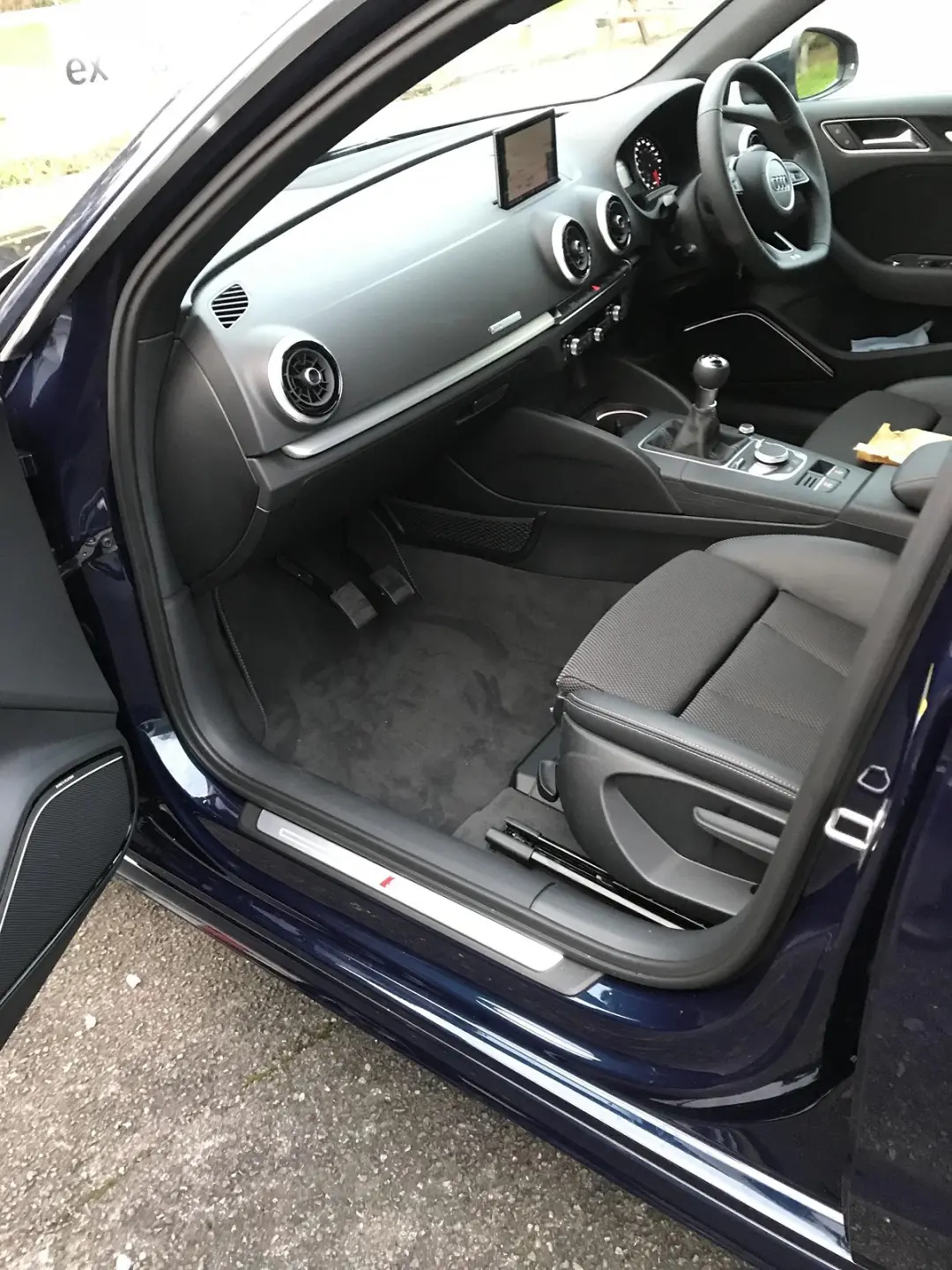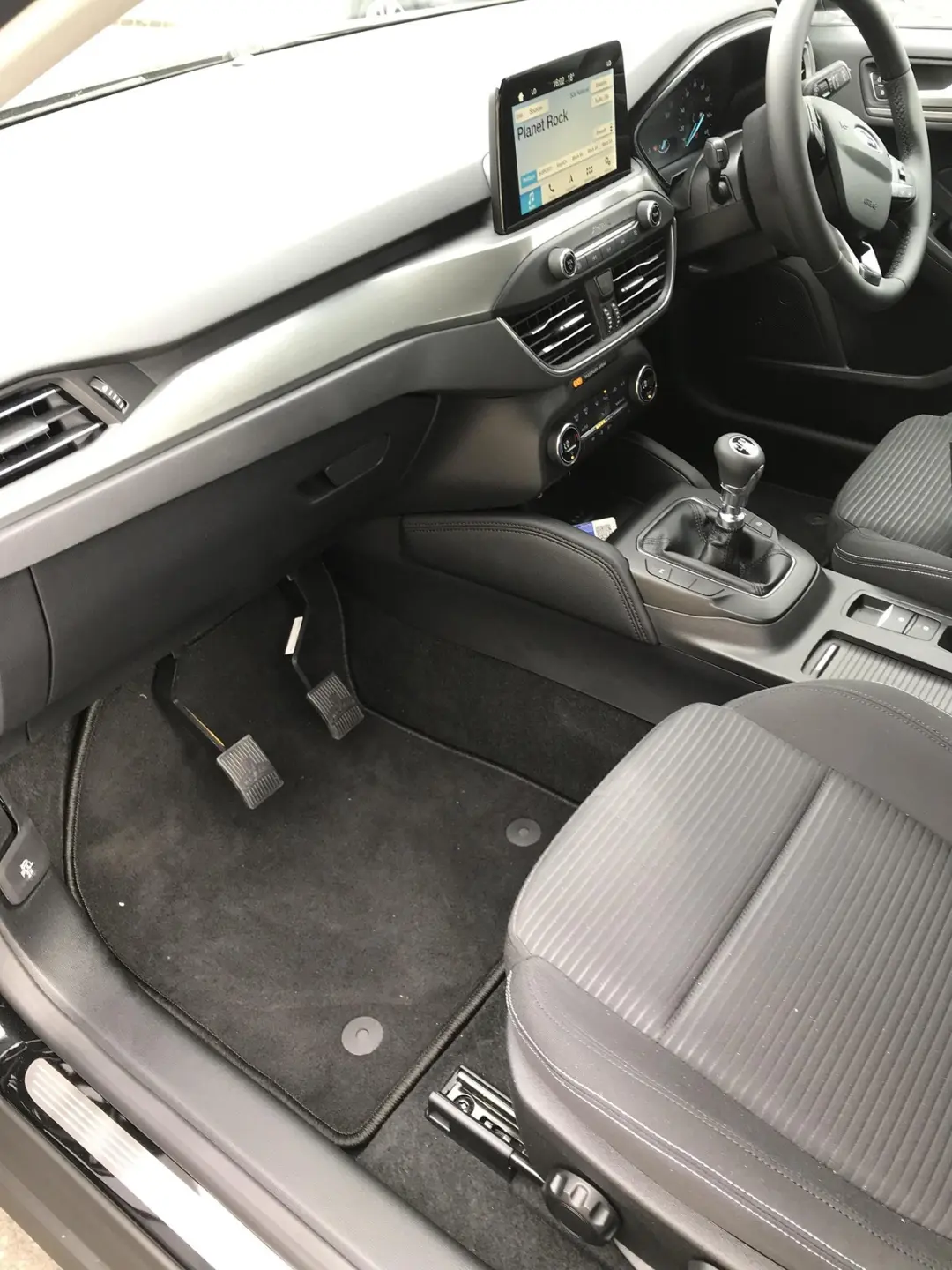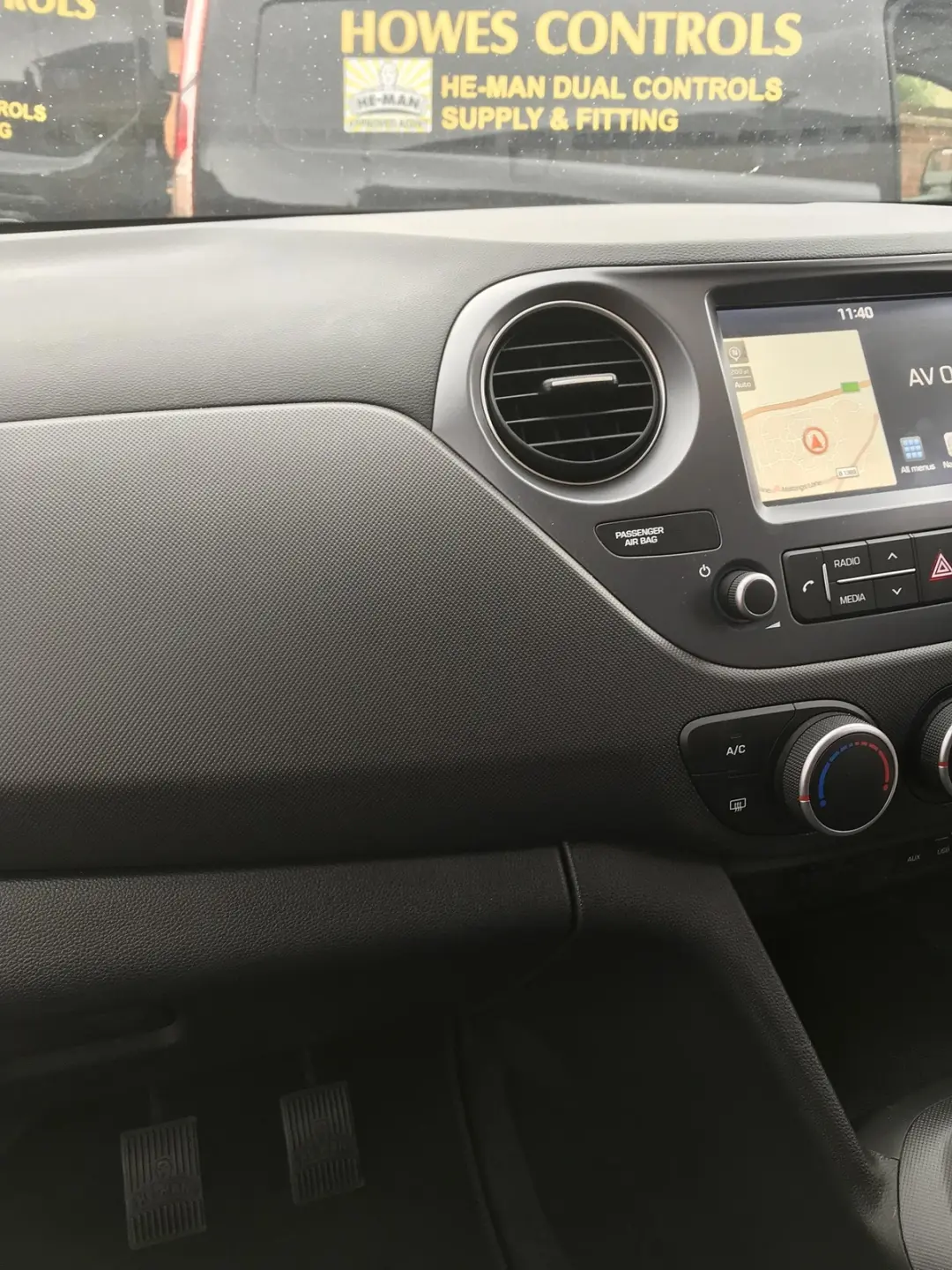
Keep the kit’s maintenance instructions with the vehicle and use them to plan inspections and any scheduled replacement. A busy driving-school car needs a clear way to report a change in the controls, especially if more than one instructor uses it.
Start with the kit’s maintenance instructions
Find the installation record and identify whether the system is cable-operated. He-Man says its cable-operated controls need annual cable replacement and ties its extended guarantee to following its maintenance instructions. Ask your fitter which schedule applies to your exact system and keep the service evidence.
Record the due date in the same diary as the vehicle’s servicing. Put the kit reference and the installer’s details in the maintenance log so another instructor can give the fitter the right information.
Make changes in pedal feel easy to report
Ask each instructor to report new resistance, unusual movement, a pedal that does not return normally or interference in either front footwell. Note the date, which pedal was affected and what the person noticed. Keep the vehicle out of tuition until the issue is assessed if the controls may be affected.
Follow the installer’s handover instructions for checks before use. Leave adjustments and repairs to a qualified fitter. Removing a mat that has moved and assessing an intermittent control fault are different tasks.
Keep the MOT and control checks separate
DVSA data show a 26.75% initial MOT failure rate for classes 3 and 4 in Great Britain in April to June 2026. Those classes include cars, vans and some passenger vehicles. That number is for all reasons for initial failure, and does not measure faults with dual controls.
Keep both checks in the diary. The vehicle’s MOT status and service record belong alongside the kit’s own maintenance and fault history. Neither record tells the next instructor everything they need to know about the car.
Hand back a clear record after work
Ask the fitter to record what they inspected or replaced and when the next check is due. Have the regular instructor attend the handover where practical. If several people use the car, make the maintenance entry available to all of them before lessons resume.
Set up a record anyone can use
A practical maintenance entry identifies the car, the kit, the date, the issue reported and the next action. Note whether the vehicle can be used for tuition and who made that decision. Avoid relying on a message passed from one instructor to another, especially when the car is shared across shifts.
Keep invoices for work on the dual controls alongside the maintenance instructions. A new instructor should be able to see when the system was last checked and when the next scheduled work is due. If the paperwork is missing, ask the fitter to help identify the system and confirm the correct maintenance schedule.
Book planned work before the vehicle reaches its due date and allow a gap in the diary for any follow-up. If the school needs a substitute car, check that the people using it are covered and have had time to get familiar with its controls. After work is complete, record who attended the handover and what instructions were passed on. This is particularly helpful when the car returns to a different instructor from the one who reported the original issue.
Where the car is shared, record who will book the next check and who will take the vehicle off the diary if an issue is reported. This prevents a fault report being mistaken for a completed repair.
Summary
Use the instructions for your kit, record scheduled work and refer any change in operation to a fitter before relying on the car for tuition.