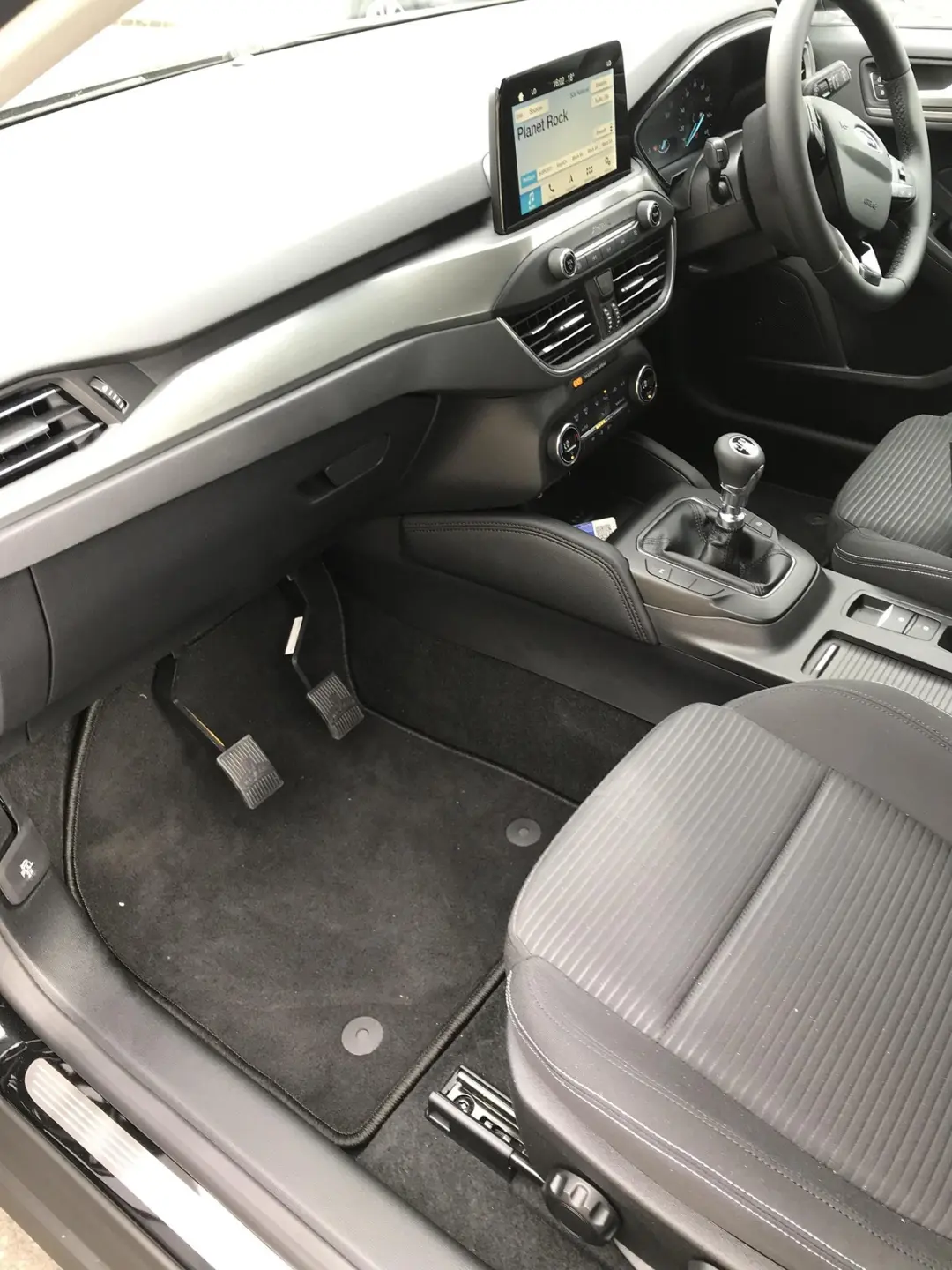
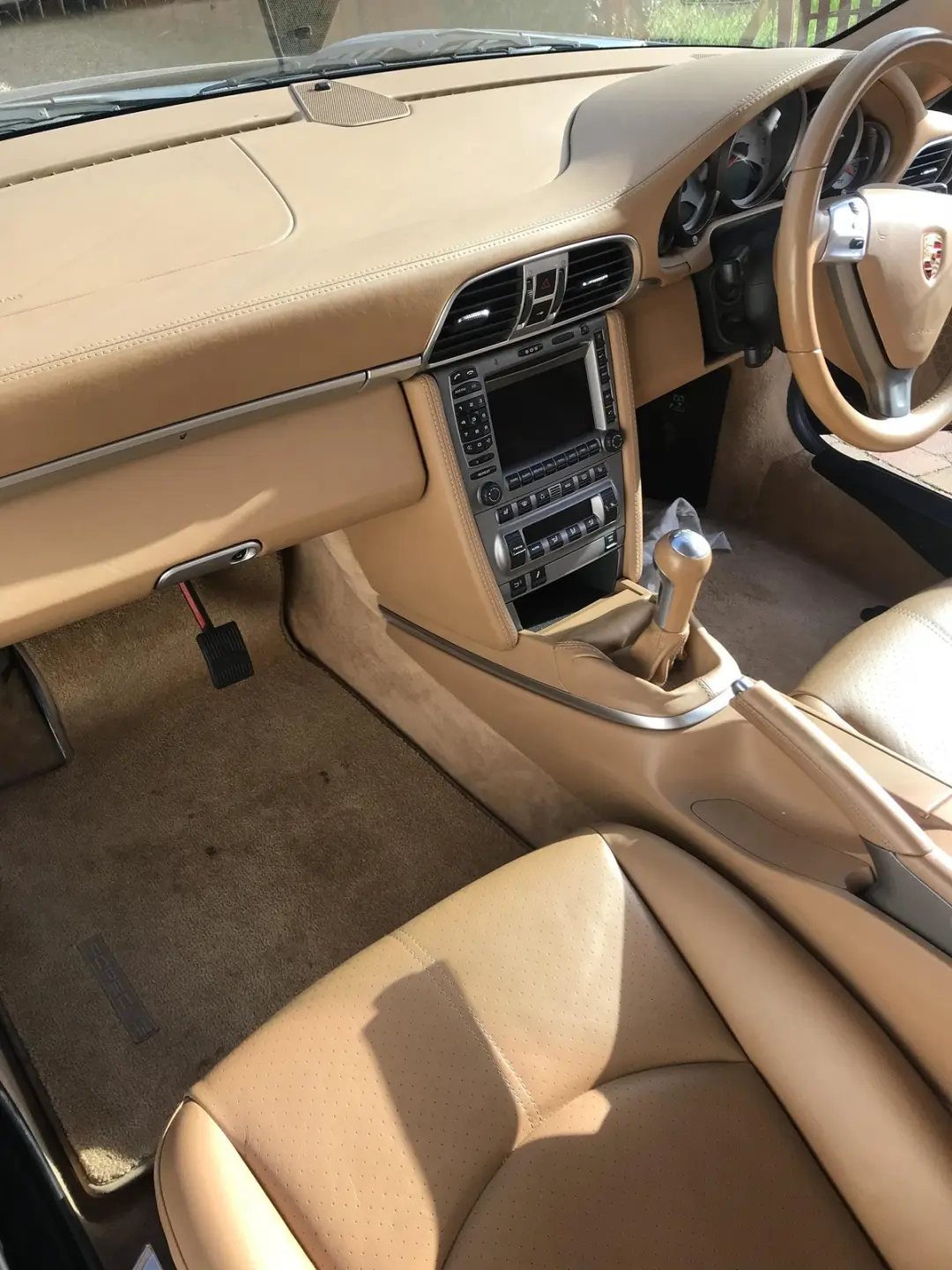
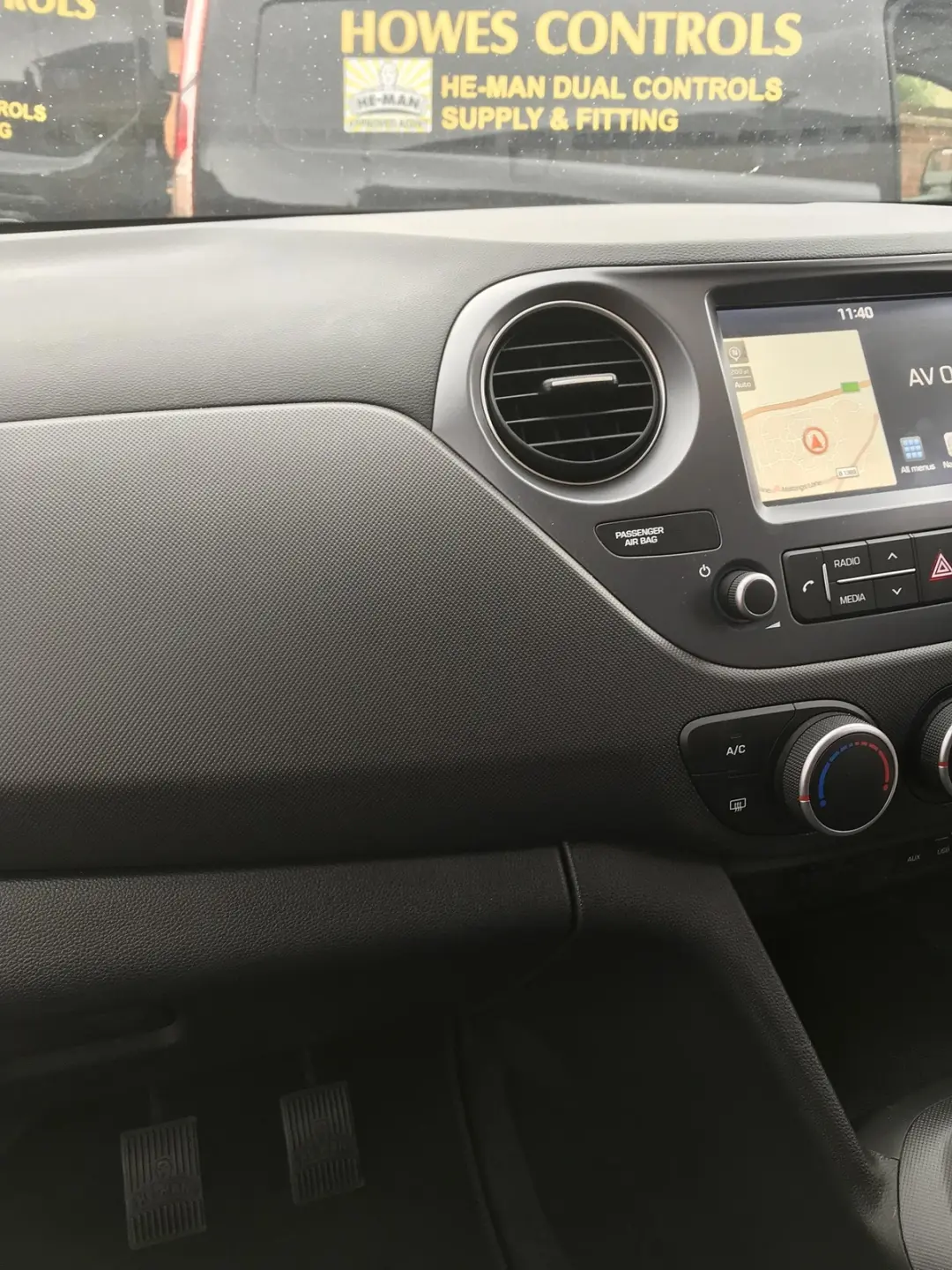
A mobile fitting starts with two checks: the fitter can bring the correct kit, and the car can be worked on at the address you give. Send the vehicle details and describe the parking arrangements before the appointment, especially if you teach from a flat, a shared driveway or a driving-school office.
Send details that identify the car
Use the registration and manufacturer’s model description to identify the vehicle. Include its year, gearbox and any relevant previous modifications. Where the fitter asks for a photo or further information, send it before the slot is booked so there is time to check the kit.
Ask what the quoted work includes, who supplies the parts and what happens if the vehicle details turn out to differ. If your car is financed or leased, get any required permission from the owner first.
Agree a place to work
Describe the actual space rather than simply giving a postcode. Tell the fitter if the driveway is sloped, the parking bay is shared, there is restricted access or a permit is needed. Ask whether the proposed location is suitable and agree a different private location if it is not.
Clear loose items from both front footwells and make the keys available at the agreed time. Ask which doors need to open freely and whether an alternative space is needed in poor weather.
Keep a gap before the next lesson
DVSA reported that half the learners who took a driving test in October 2026 had waited no more than 10.3 weeks. That is a national median for people who actually sat a test, rather than a forecast for an Essex centre. It helps explain why an existing test appointment deserves more protection than an ordinary gap in the diary.
Get the installer’s estimate for your specific fitting and leave time to see the handover before taking the next pupil. If a test is close, plan what happens if the appointment overruns or the installer identifies another issue.
Attend the handover
Ask the fitter to show the operation of the added pedals, the checks to carry out before tuition, and who to call if the pedal feel changes. Keep the installation record with the vehicle documents and pass it to anyone else who teaches in the car.
What to agree when you book
Ask the fitter to repeat back the car they expect to work on and the address where the work will take place. If a school and a vehicle owner are different people, decide who will answer a question about the car on the day. A contact who can reach the site and has authority to make decisions can prevent an avoidable delay.
Tell the fitter when the vehicle is genuinely available. A car expected back from a lesson shortly before an appointment may arrive late. Leave enough time to park it in the agreed space and remove equipment the fitter needs clear access around. If more than one vehicle uses the space, let the other drivers know when it needs to be free.
Agree a new date before rearranging tuition if the kit is unavailable. Keep your pupil communications separate from the fitting enquiry until the appointment is confirmed. If you share the teaching car, write down who will attend the handover and how the instructions will be passed on. Keep the fitter’s contact details with the installation paperwork for later questions.
Check how the fitter will contact you on arrival and what they need to do if the car is behind a locked gate. This matters when a receptionist or another instructor is handing over the keys.
Summary
Agree the vehicle, address and work area in advance. Allow a handover before your first pupil uses the car.