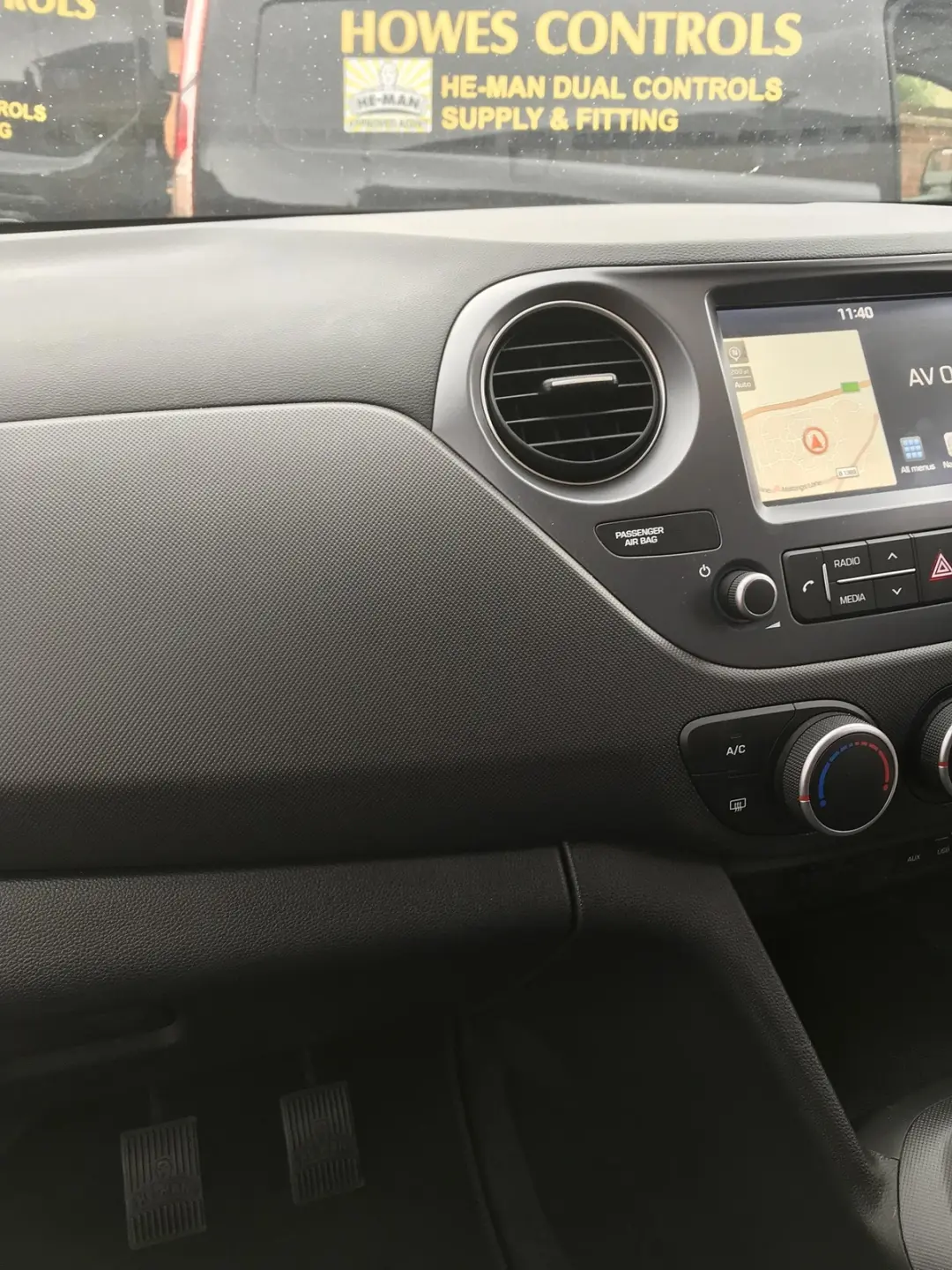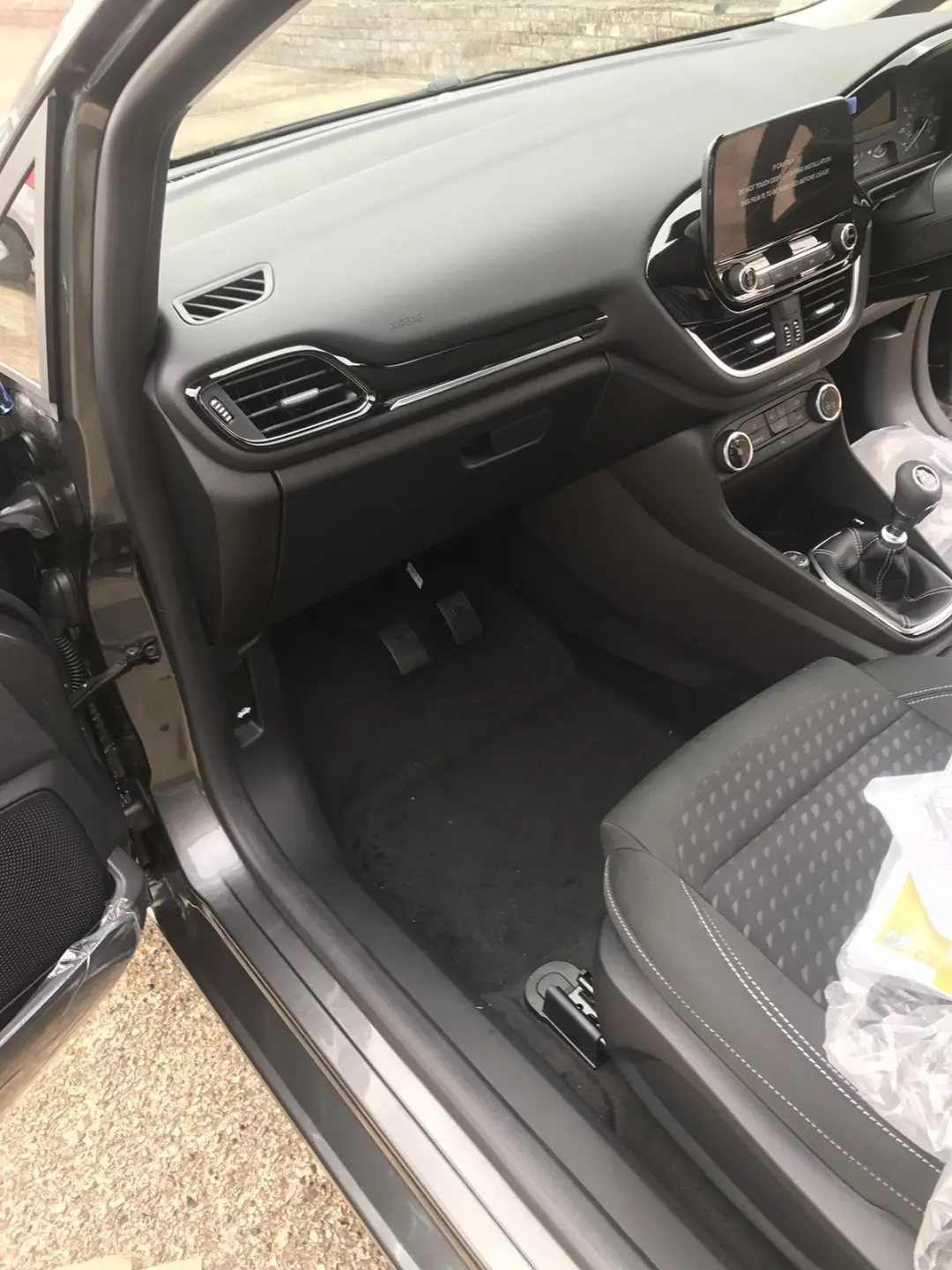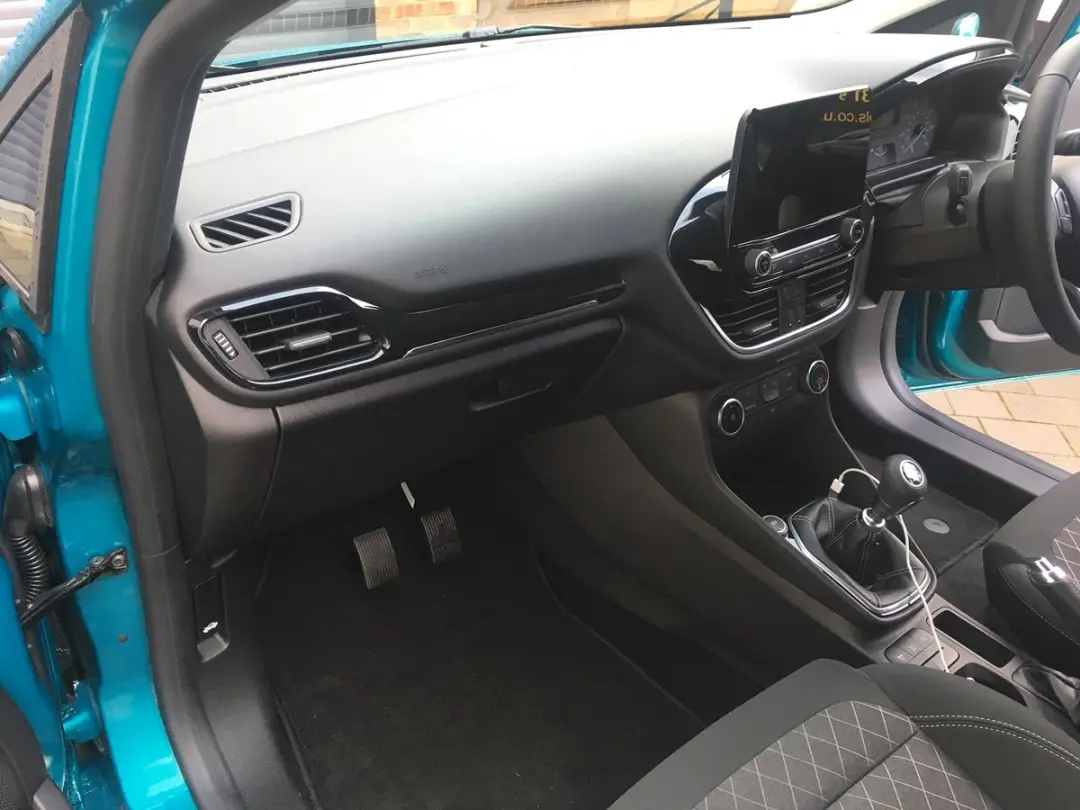
A tuition car for Sussex country roads needs dependable controls, a clear view from both front seats and enough preparation time to check it before a lesson. Plan the route around the learner’s ability to deal with restricted sightlines and oncoming traffic.
Start with roads that suit the pupil
DfT’s final 2025 Great Britain figures show that rural roads accounted for 60% of reported road deaths and 45% of traffic. The figures cover all road users and give no measure of pupil performance or dual-control effectiveness. They underline why the route deserves as much attention as the car.
Start with a stretch that offers time to observe and talk, then build up to tighter bends, concealed junctions or narrower lanes. For a first rural lesson near Lewes or Crowborough, check the route yourself and identify safe places to stop for discussion.
Check the view from both front seats
Make sure glass is clear, wipers work and the seating position gives the pupil a good view of the road. From the instructor’s seat, consider what the car’s pillars and the pupil’s position can hide. A route that looks straightforward from the driver’s seat can be harder to monitor from the passenger side.
Review the installer’s checks for the passenger controls and keep the area around the pedals clear. If the car has changed since the last lesson, give the pupil time to settle before moving into faster or more demanding sections.
Teach the pupil to read the road early
Highway Code rule 154 advises extra care around country-road bends and junctions. Ask the pupil to describe what is visible and what might emerge from a driveway or hidden turning. Encourage them to choose a speed that allows enough time to respond to what they can actually see.
Rule 227 says wet-weather stopping distances are at least twice those on dry roads. If visibility or grip deteriorates, shorten the route or move to less demanding roads. A longer following distance gives the pupil more time to process what is ahead.
Use intervention as a prompt for discussion
Agree what instructions you will give if the pupil needs to slow or wait. If an intervention becomes necessary, choose a safe place to stop later and discuss the earliest clue the pupil could have acted on. Revisit a less demanding example before returning to the original challenge.
Choose a route you can adapt in the lesson
Plan a shorter version of the rural route before setting out. If tractors, roadworks or a sudden deterioration in visibility increase the workload, use a safe place to pause and change the plan. Have another exercise ready that still meets the learner’s aim on a less demanding stretch.
Check the route in the conditions you expect the pupil to face. The view at a junction can differ when hedges grow or when low sun changes which traffic is easy to see. Ask the pupil to describe the earliest point where they had a clear view and how that affected their speed choice. Use the answer to plan the next example.
A teaching vehicle that has just changed hands or been fitted deserves time for a handover before you rely on it in a challenging lesson. Ask where the instructor should sit to operate the controls normally and which checks are expected before use. If several instructors use the vehicle, make those instructions easy to find. Build the route and vehicle check into your lesson plan together so that each choice suits the pupil’s stage.
At the end of the lesson, ask the learner which hazard they would identify earlier on the next drive. Record that as a specific goal for the next route and choose a suitable place to practise it.
Summary
Prepare the car and its controls, choose a route with room to learn and adapt the session when sightlines or weather reduce the pupil’s margin for error.