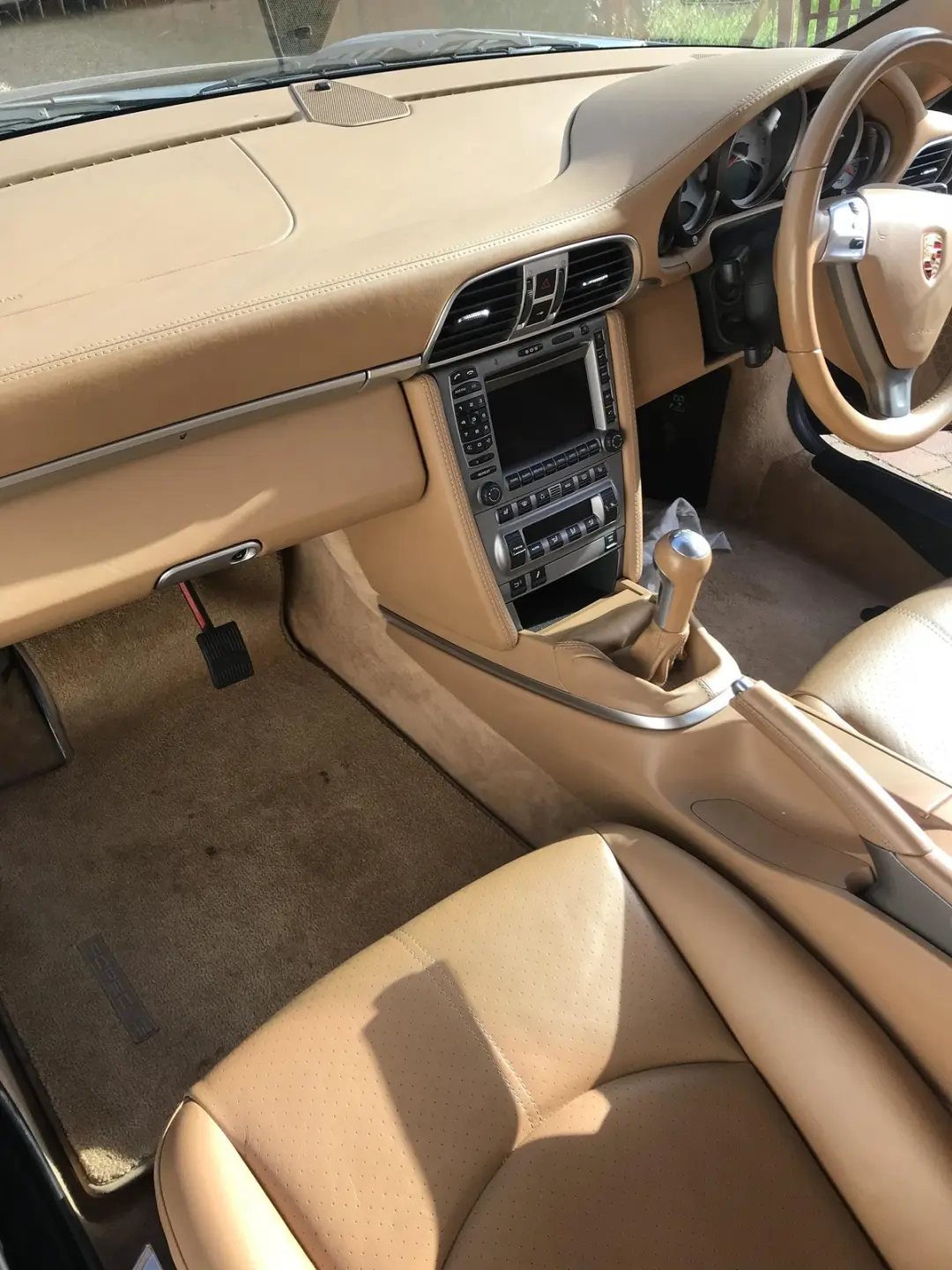
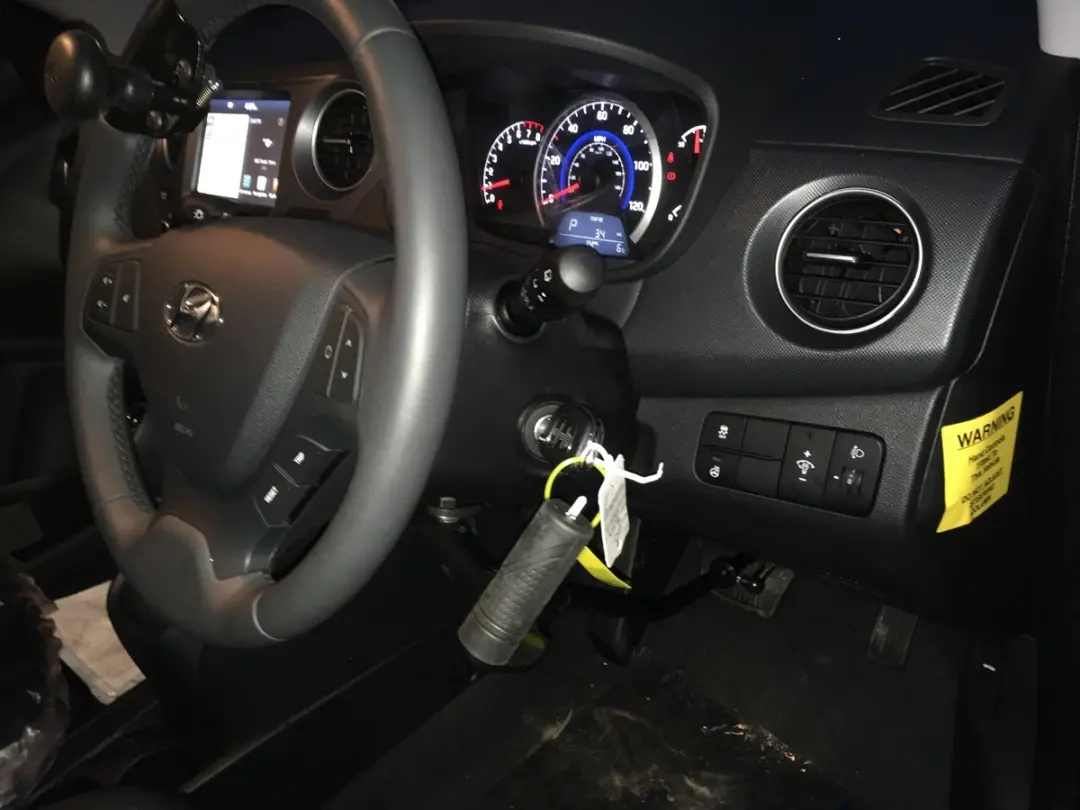
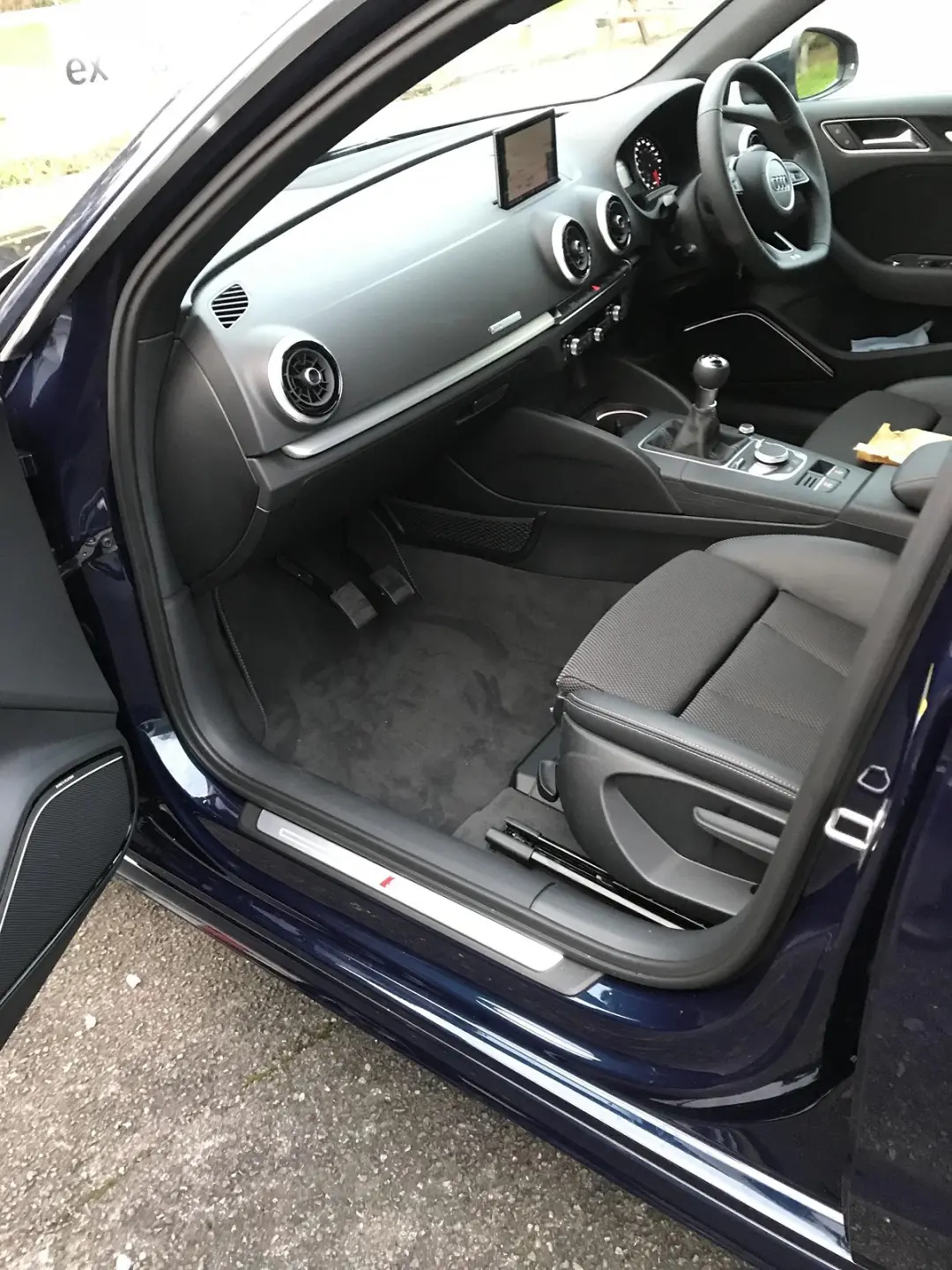
Convert one representative car first, then stagger the remaining fittings around the school’s lessons and driving tests. The first installation gives you a chance to confirm the kit and handover paperwork before you commit several vehicles or repeat the same mistake across a fleet.
Create a vehicle list the fitter can quote from
Record the registration, derivative, model year and transmission for each vehicle. Group cars only after the fitter confirms that the same kit applies. A batch bought under one model name can contain different generations or gearbox variants. Keep the vehicle assignment and the installer’s kit reference beside each registration.
Where cars are arriving from a dealer in stages, confirm the delivery date before scheduling the mobile appointment. Agree who has the keys, who can authorise access and who accepts the vehicle afterwards.
Work backwards from tests and full diaries
In the DVSA’s October 2025 instructor survey, 54.6% of the 3,345 people who answered the availability question said they had no room for new pupils. That is a survey result, rather than a measure of your school’s capacity. Use your own diary to work out which cars can be taken off the road and when.
Protect lessons that involve a test or a pupil who needs the same vehicle for familiarity. Keep a ready, insured fallback vehicle where practical, and confirm who can use it before an appointment moves.
Use the first fitting as the acceptance check
Have an instructor attend the handover of the first car. Ask the fitter to demonstrate the controls and identify the paperwork and maintenance requirements. Confirm the driver and instructor can use their normal seat positions and that the vehicle is ready for its intended teaching use before releasing it to the diary.
Ask the insurer to confirm which registrations are covered for tuition and tests, and from what date. Track that confirmation against each vehicle, alongside the fitting date and the person who signed off the handover.
Decide what happens if a car is delayed
Agree in advance which vehicle moves to the next fitting slot if a delivery slips. Keep a short list of booked lessons that can be moved and the ones that cannot. If the first fitting reveals a kit mismatch, stop scheduling cars in that group until the fitter has checked their specifications.
Give each handover an owner
Allocate a named person to receive each car, check the invoice against its registration and put the maintenance instructions where the instructor can find them. For the first week, ask instructors to report anything they notice about the seating position or control operation promptly. Route technical questions to the fitter and keep a clear record of which vehicles are cleared for tuition.
Agree how the school will handle cars bought later under the same model name. Keep the original kit quote as a reference and ask for a fresh compatibility check whenever the model year or derivative changes. A decision that worked for the first group is evidence about those vehicles.
Review downtime after the first group is complete. Compare the time you set aside with how long the vehicles were actually unavailable, then adjust the rest of the schedule. If a particular site cannot accommodate several vehicles, agree alternative fitting locations with the installer before moving bookings. Keep a date for the next maintenance check alongside each vehicle’s handover date so the fleet is easier to manage once the changeover is complete.
Prepare a simple table showing the vehicle registration, named instructor, confirmed fitting slot and next test date. Recheck it when the dealer changes a delivery date or a pupil moves an appointment.
Summary
List the fleet by exact specification, trial one installation and book the remaining cars in an order that protects lessons already promised to pupils.