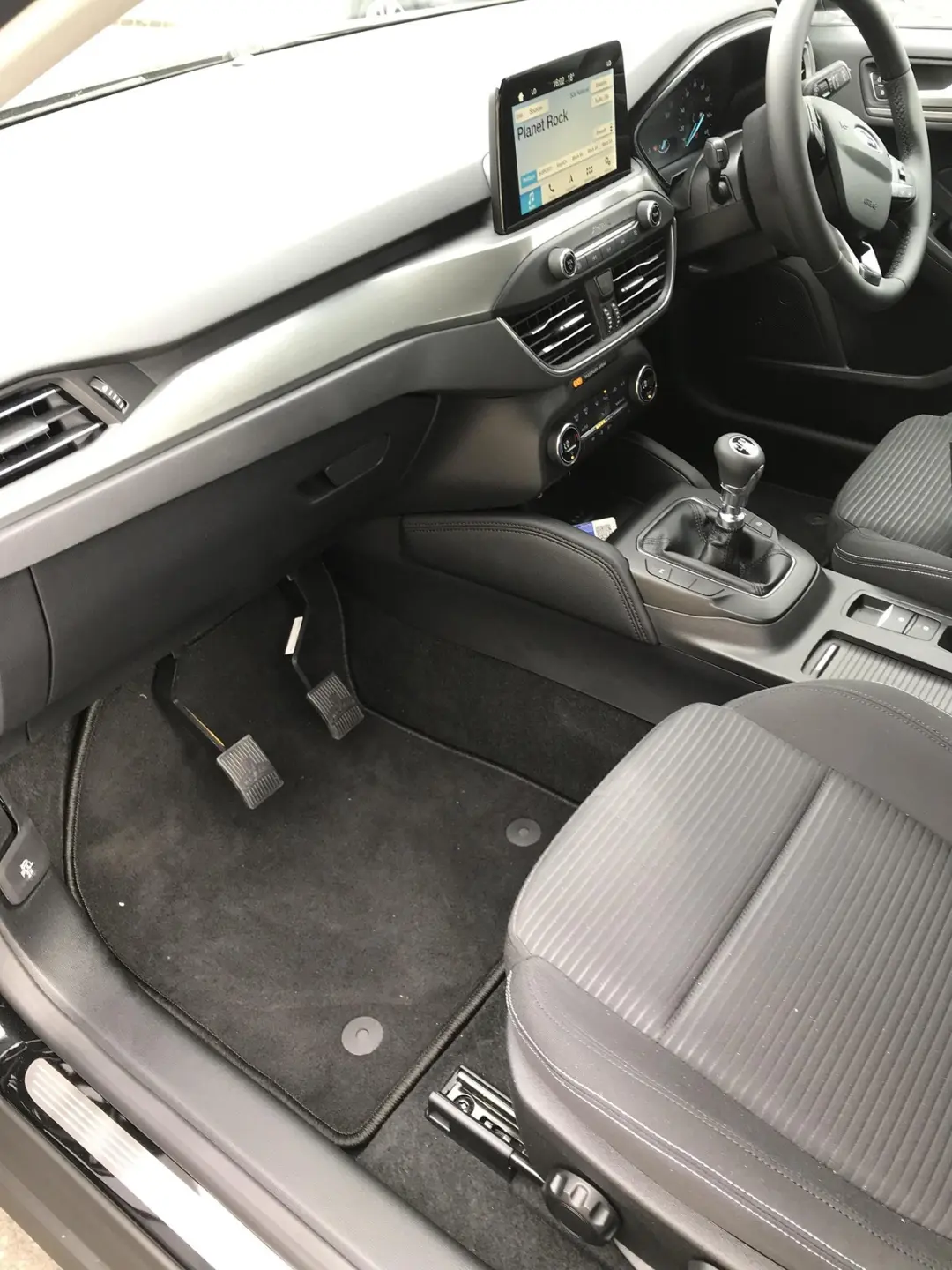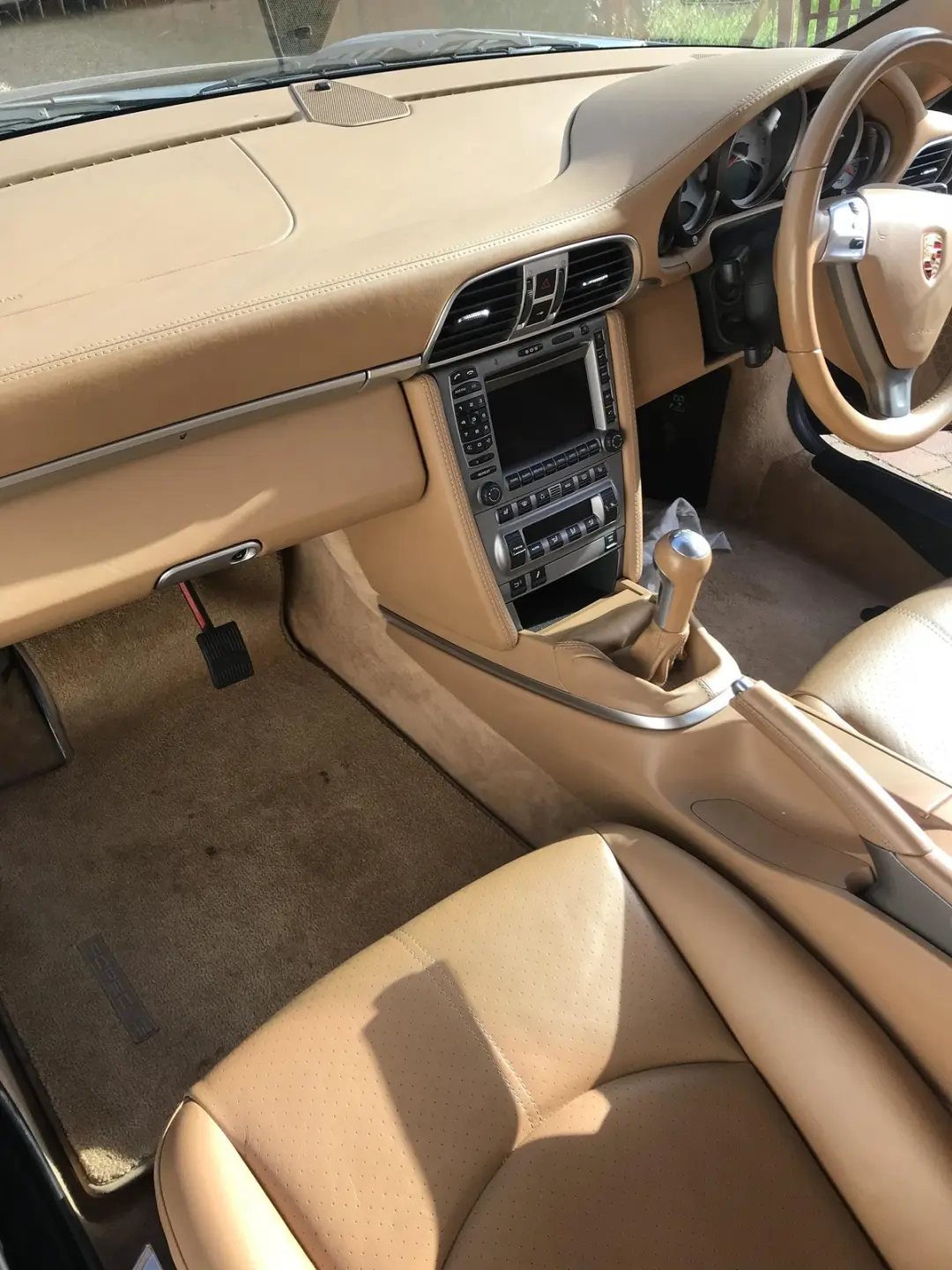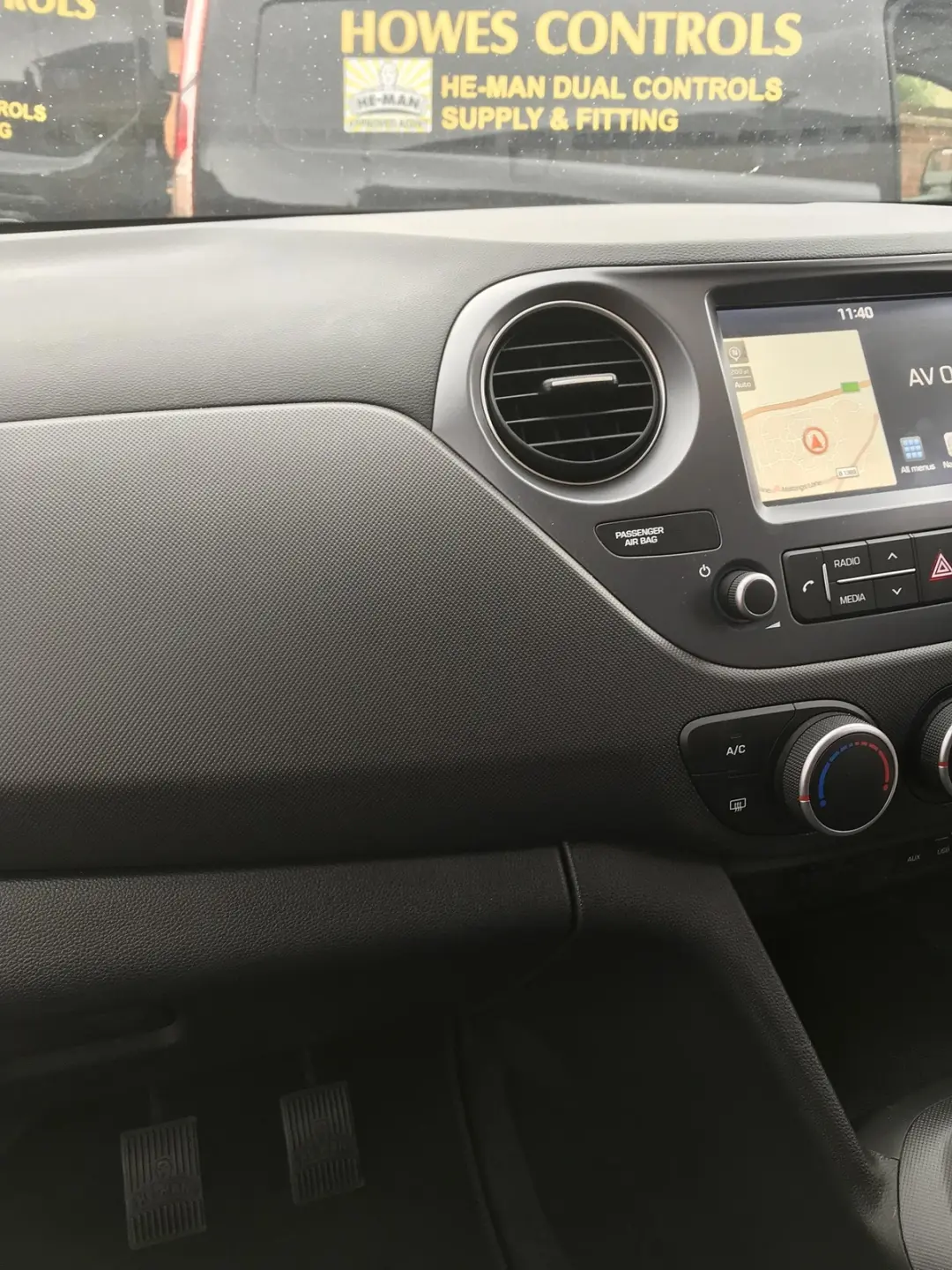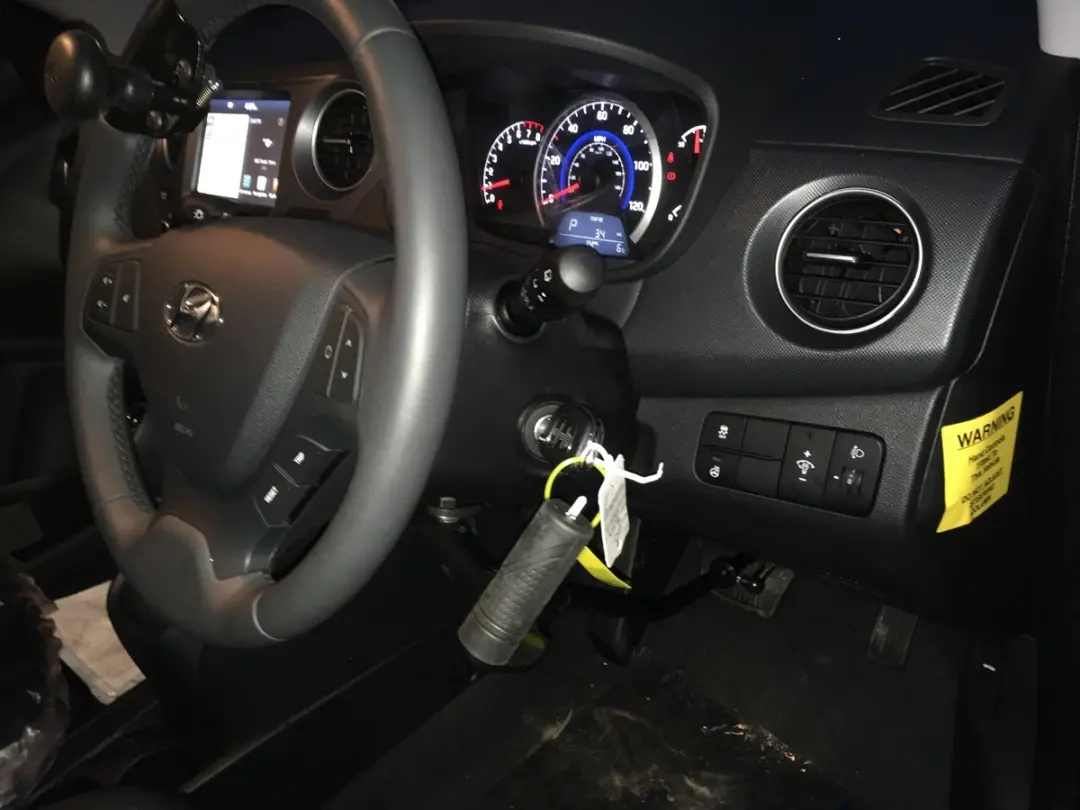
For the standard car driving test, DVSA allows a suitable privately owned car without dual controls. A hire car must have them and meet the other test-car rules. Decide whose car the pupil will use early, especially if the instructor’s car might be unavailable.
Separate the private-car and hire-car rules
A pupil using their own car should check the current DVSA rules for insurance, tax, roadworthiness, mirrors and plates. A hire company’s permission to drive the vehicle does not establish that it is suitable for a test. Check that the hire car has dual controls and that the agreement and insurance cover the test.
If a pupil wants to use a borrowed car, check the vehicle owner’s permission and confirm how the insurance applies. If its status under the test rules is unclear, ask DVSA before relying on it.
Check for preventable problems ahead of time
DVSA’s Ready to Pass campaign reports that 2,547 tests did not go ahead in October 2026 because people turned up late, forgot their licence or brought an unsuitable car. That combined figure covers all three reasons. It does not give the number cancelled for missing dual controls.
Run through the official vehicle requirements while there is time to resolve an issue. Ask about active safety warning lights, any model-specific restriction or recall, and whether the examiner’s extra interior mirror can be positioned properly. A last-minute substitute should go through the same checks.
Give the pupil time to learn the replacement car
If a pupil changes cars, allow a practice session to get used to the view from the seat, the controls and the way the car responds. Talk through the controls they may be asked to identify. If they cannot safely drive the alternative, work with them on a realistic plan rather than making the appointment the first drive in it.
Plan the fitting separately from the booking
Since May 2026, learners have had to manage their own car driving test bookings. Instructors can help them think through dates and suitable cars. If a school is replacing its vehicle, agree when it will be fitted and ready before asking pupils to rely on it for their tests.
Make a test-day decision before test day
The pupil and instructor should agree who is supplying the car, where it will be collected and how much time to allow before the test. If the vehicle will arrive separately from the pupil, agree who will check it and who will be available if there is a question about it. Build the travel time around the appointment itself.
Check practical things such as the extra mirror, plates and clean footwells while there is still a chance to fix a problem. Use the DVSA rules for the actual car type. An instructor’s equipment checklist helps with preparation, while the published criteria determine whether the vehicle is acceptable at the test.
A school that lends its cars for tests should keep a record of which vehicle each pupil practises in. If a vehicle is away for fitting, use that list to see who will be affected first. Discuss any proposed substitution with the pupil and allow enough time for familiarisation. Make sure everyone understands that the pupil remains responsible for managing their own test booking.
Check the pupil knows which documents they need to bring, as well as who will bring the car. Agree a time and place to meet that leaves room for a final vehicle check.
Summary
Check the rules for the type of car the pupil will bring, and give them a chance to practise if they are changing vehicles. Build in time for fitting when setting up a replacement tuition car.