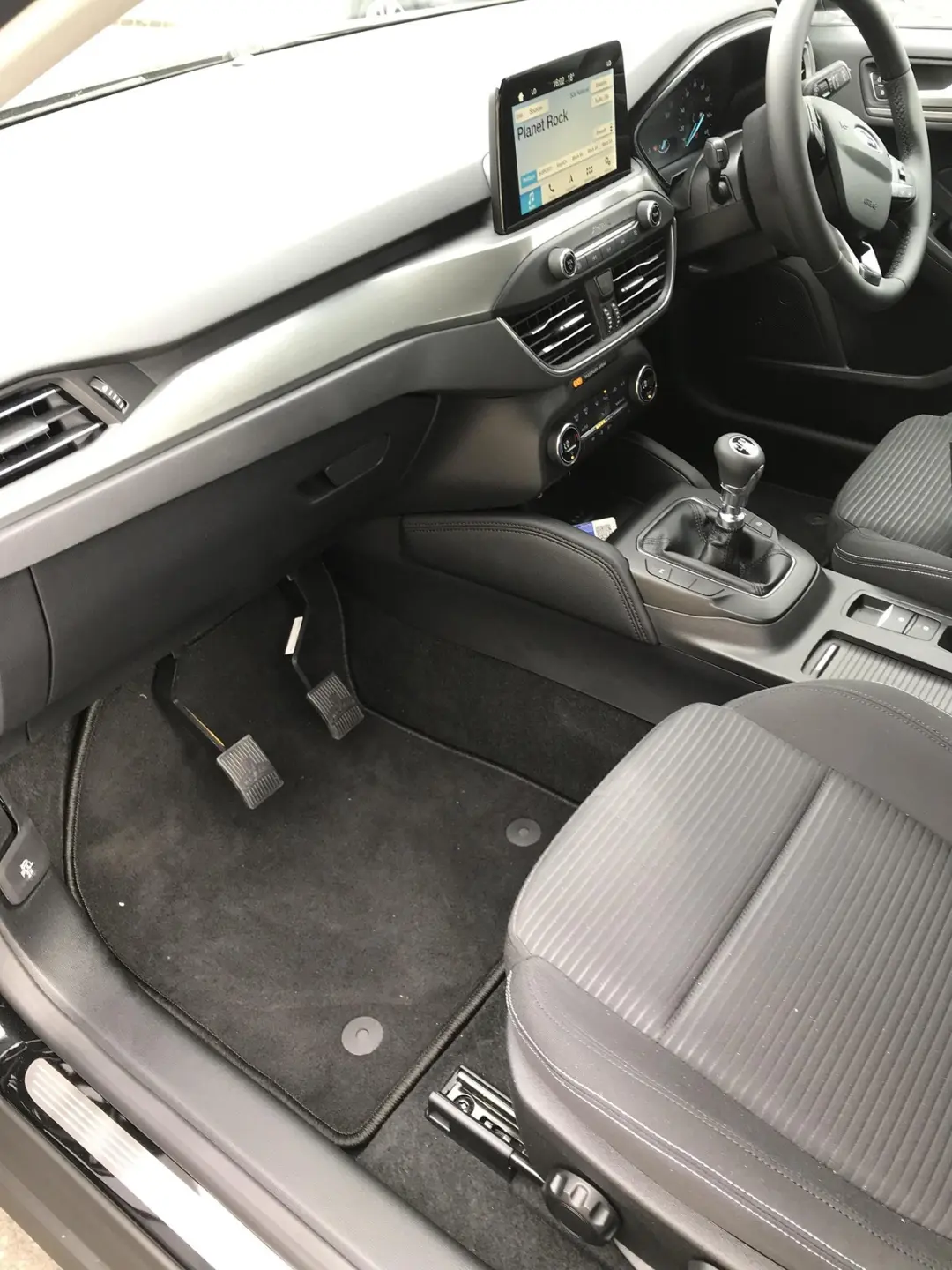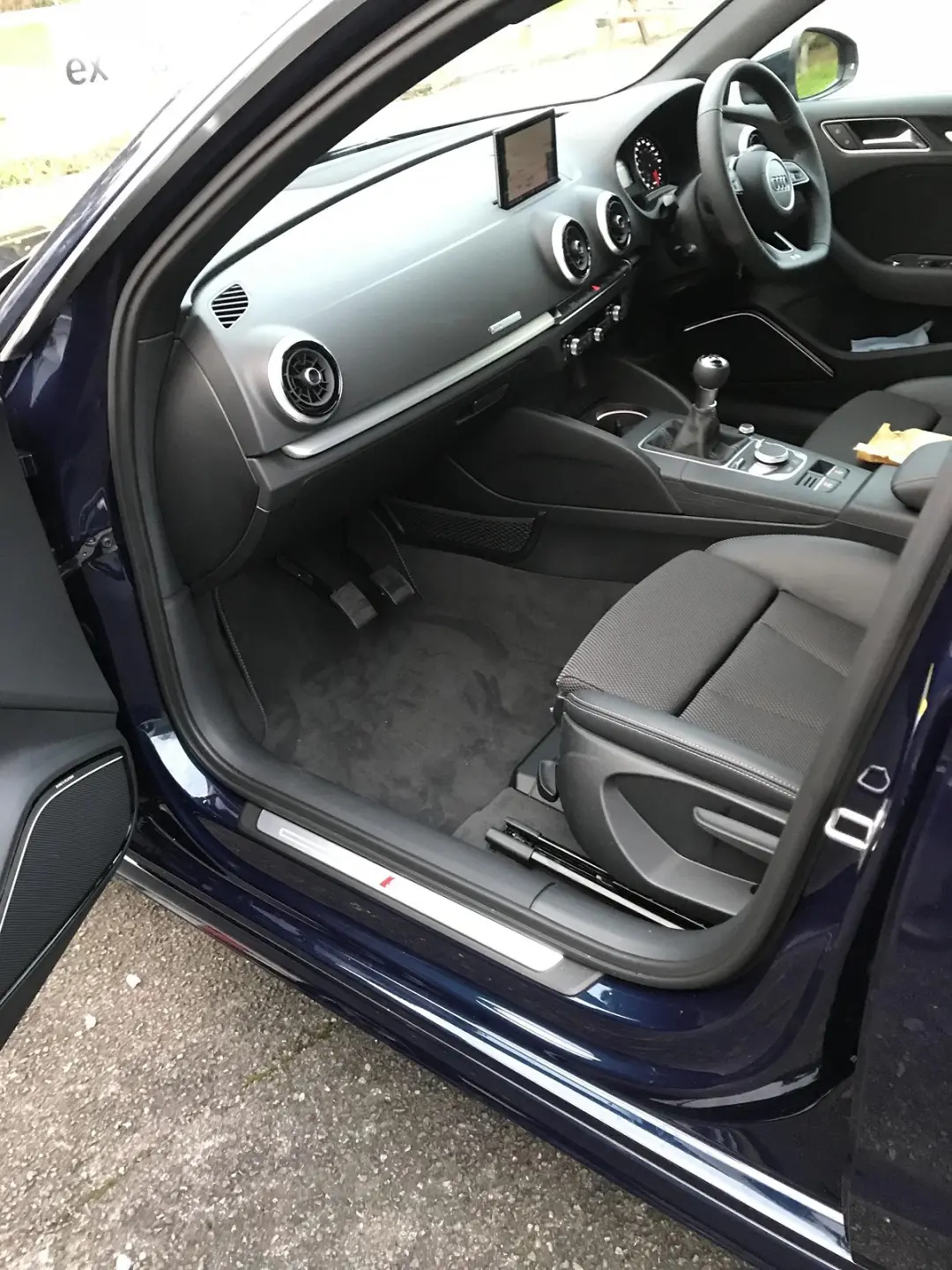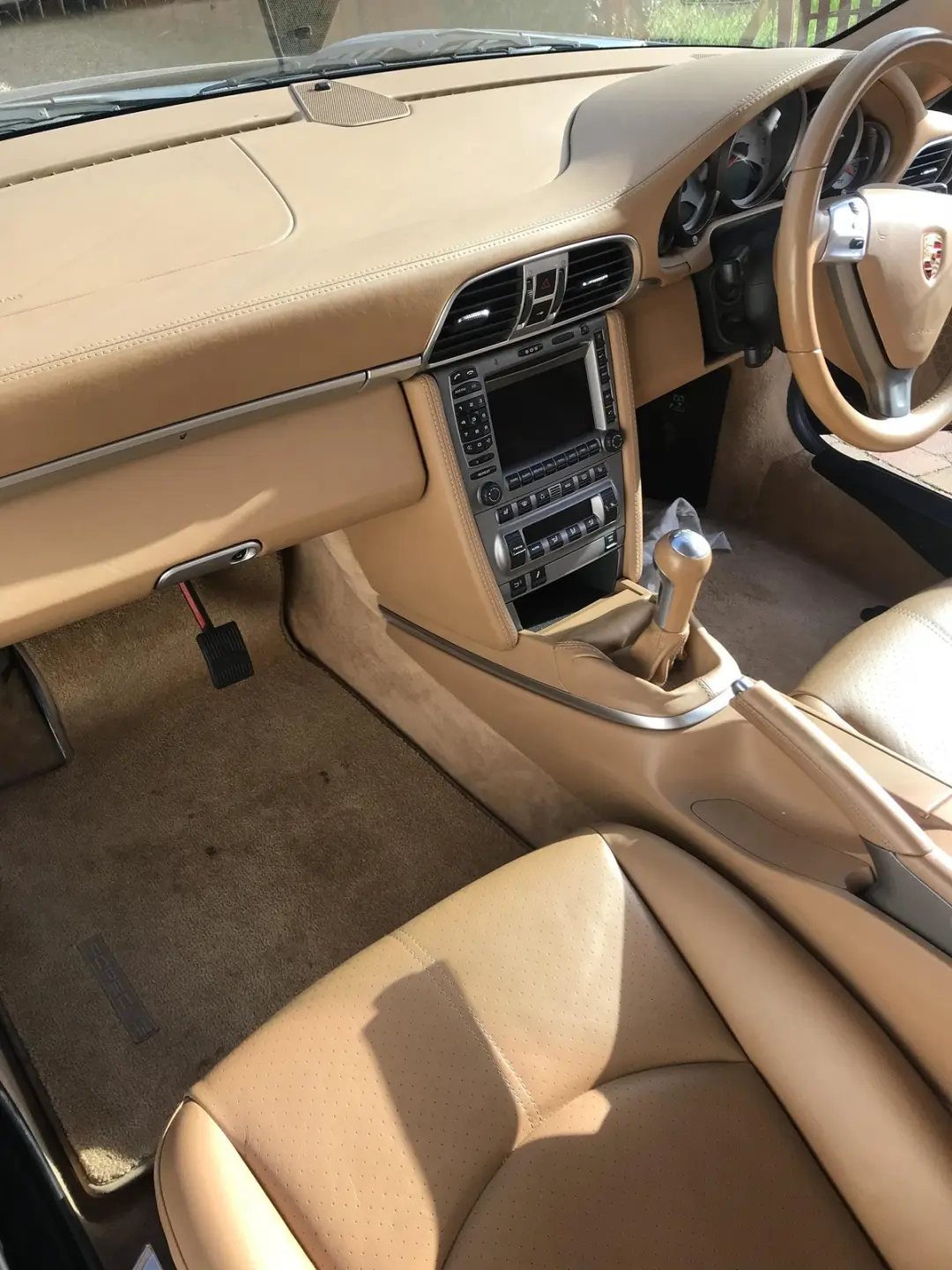
Check a car’s registration with Transport for London before you buy it or spend money fitting dual controls. For a London instructor, the cost of running the car depends on where and when lessons take place, as well as the vehicle itself. A cheaper car can become an expensive teaching car if it attracts a daily charge on your normal routes.
Check the exact registration
TfL reported that 98.3% of cars detected in the ULEZ met its standards in September 2026. That figure describes cars detected across the zone. It cannot tell you whether a particular used car qualifies. Use TfL’s checker with the actual registration and resolve any discrepancy before putting down a deposit.
Ask the seller for the registration before travelling to view the car. If a listing relies on a description such as ‘Euro 6’ or ‘London compliant’, save the result for the specific car and ask TfL what evidence it needs if its records disagree.
Price a week of lessons
The ULEZ charge is £12.50 per day for a chargeable car. In an illustrative five-day teaching week inside the zone, that adds £62.50. Count chargeable days on your real diary, including unpaid travel to collect pupils, and compare the result with the cost of buying and fitting a compliant alternative.
The Congestion Charge is a separate scheme. Check both the vehicle and the addresses you expect to visit. A vehicle that meets ULEZ standards can still incur a Congestion Charge.
Confirm the car can take the kit
Once a candidate passes the route and cost checks, send its model year, transmission and exact derivative to the fitter. Ask for a quote tied to that car, with parts and labour stated. If you are choosing between two similar cars, price both conversions before you decide.
If you are keeping your current teaching car while you shop, find out when you can have the new one fitted. A small overlap lets you finish booked lessons while the replacement is prepared, if both cars are properly insured.
Keep the decision with your records
Keep the registration check, fitting quote and your charging assumptions together. Recheck TfL’s rules if your teaching area changes or you add regular central London pickups. This makes it easier to see whether a vehicle that suited your old diary still suits the new one.
Compare two cars using the same diary
Take two real teaching weeks and mark every day on which either candidate car would enter a charging zone. Include a pickup on the edge of the area and any journey back without a pupil. If a route changes during roadworks, check whether the alternative enters a zone as well. This is a more useful comparison than multiplying a daily charge by every day you own the car.
Ask whether any allowance in your comparison depends on registration, payment method or a discount for which you must apply. Keep the cost of the vehicle, the conversion and the charges on separate lines. That lets you see which difference is large enough to influence the decision.
Before collecting the car, check the confirmation using the registration it will actually carry. A vehicle that changes plates during a sale may need a fresh check. Tell the fitter the confirmed details and send the intended fitting location. If you operate from different addresses during the week, choose one where the work can be completed without disrupting the lessons that still use the old car. Agree the handover separately from the purchase date.
Run this comparison again if you change your pickup area or move the school base. Record which roads and dates your original calculation used so you can update it quickly when the diary changes.
Summary
Check the registration, work out which charging zones your lessons enter and price the fitting before committing to the car.