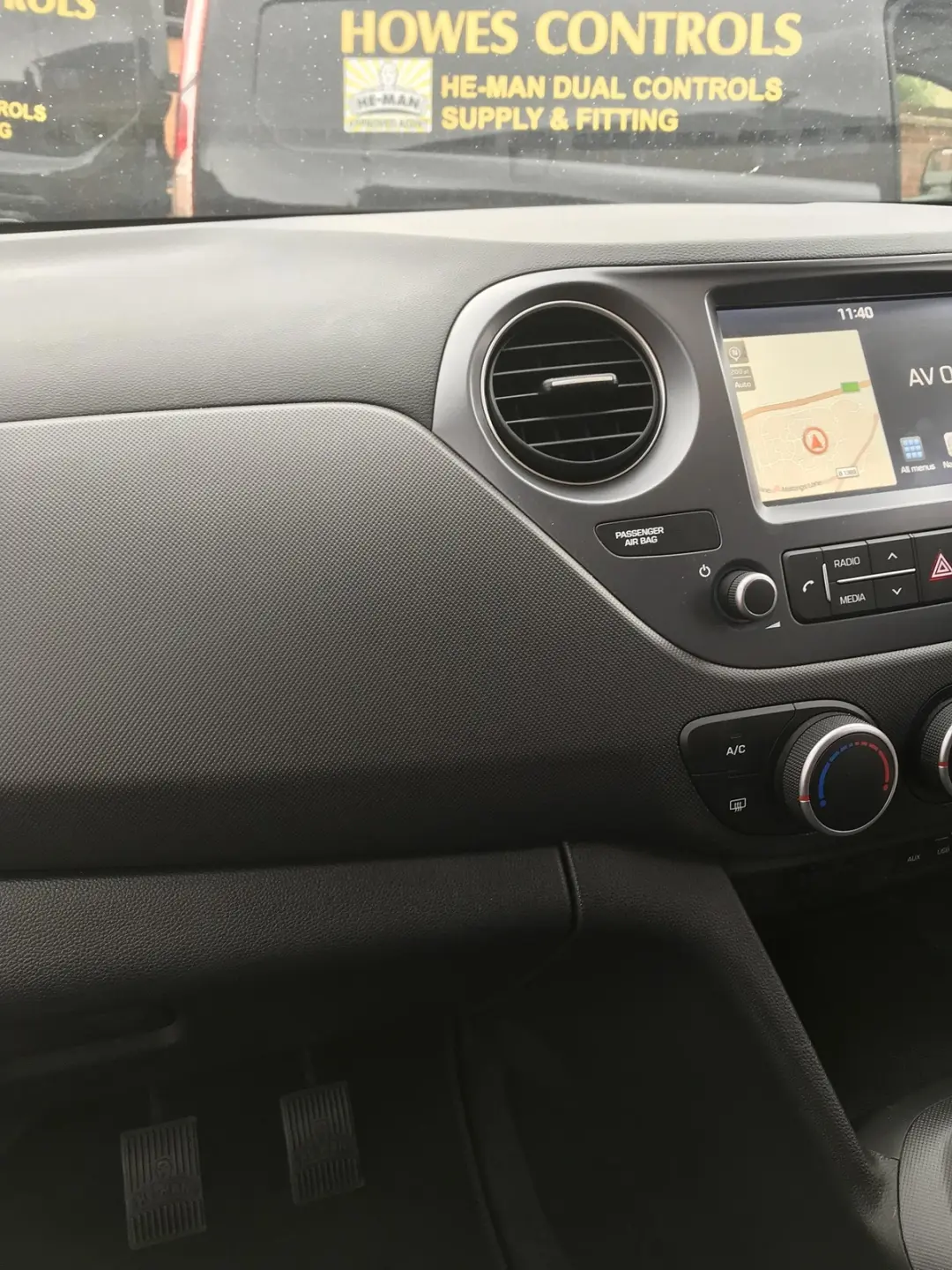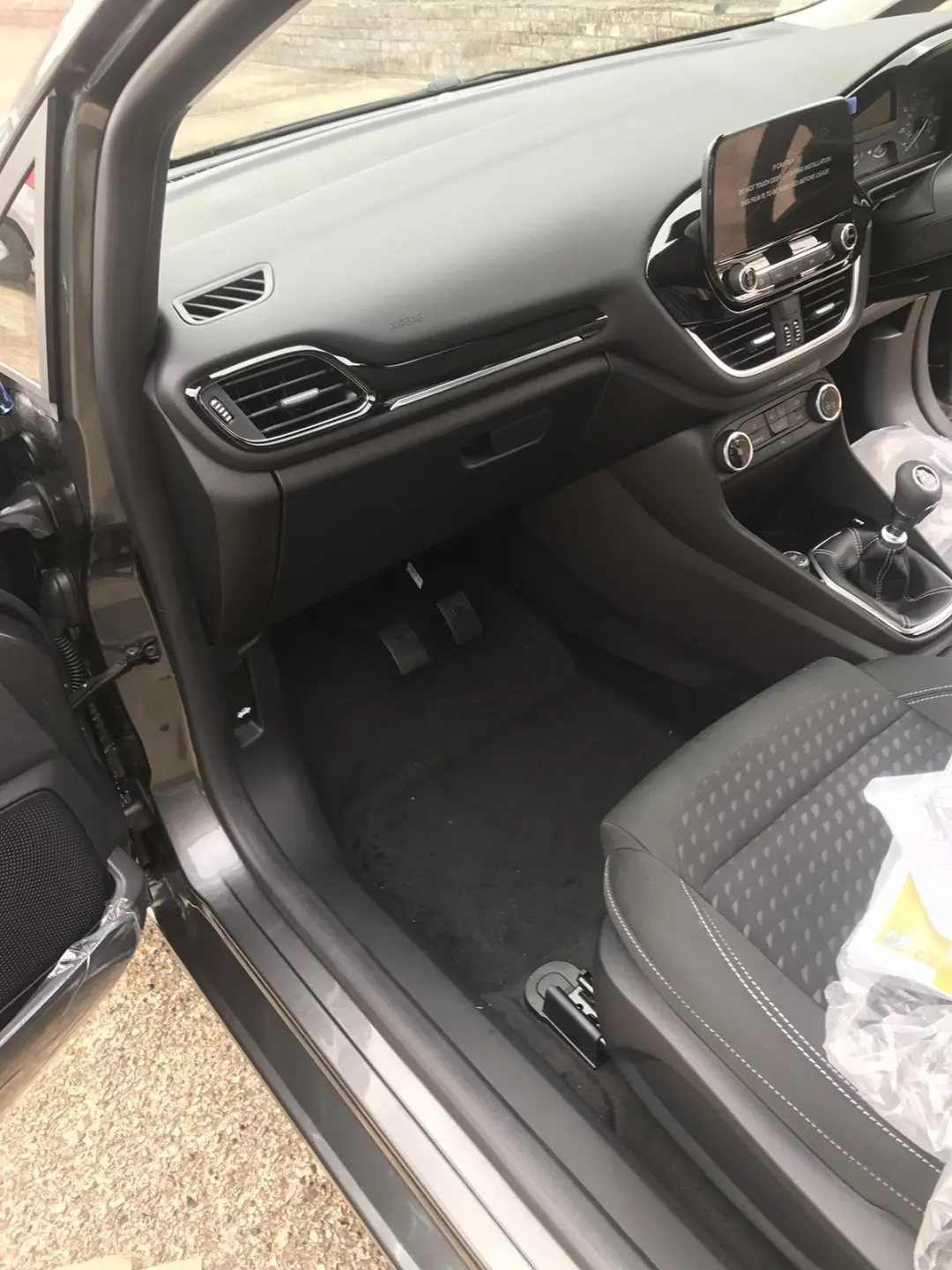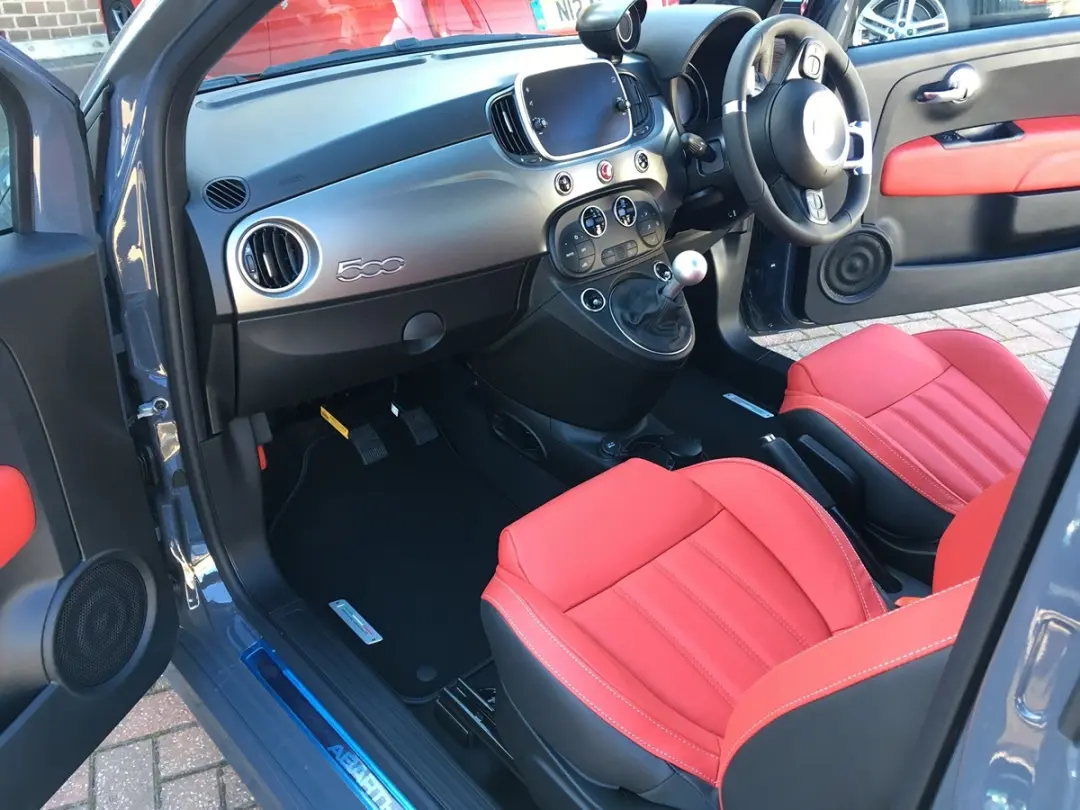
Some left-hand-drive cars can take a suitable dual-control kit. Confirm the steering side and exact specification before you order one. If the car is an import, check its UK registration and approval route separately from the fitting.
Identify the original market and steering layout
Start with the country the car was built for, the model year, the gearbox and the steering side. Give the fitter enough information to distinguish the left-hand-drive version from a UK model with the same name. Ask whether the kit is specifically listed for your vehicle and what the installer needs to inspect before agreeing the work.
The Sussex service page says left-hand-drive fitting is available. A model-specific enquiry is still needed to establish what can be supplied for the car you have.
Allow time for approval and registration
GOV.UK explains the evidence that may be needed when importing a vehicle. Its guidance says a left-hand-drive vehicle registered in the EU also needs a certificate of GB conversion Individual Vehicle Approval when following the route described there. Check the route for your own vehicle and origin before booking paid tuition.
The UK had 42.9 million licensed vehicles at the end of June 2026, according to DfT. That is the total vehicle fleet, rather than a count of left-hand-drive imports or vehicles with dual controls. For an unusual derivative, the registration and manufacturer documents are the records that matter.
Check how the car will be used
Tell the insurer which side the wheel is on and what the modification is. If the car will be used for teaching or presented for a driving test, check that the use is covered and check the relevant DVSA vehicle requirements. For a test, consider how the examiner’s mirror and view will work from the passenger seat.
For tuition, have the instructor sit in their usual seat and ask the fitter to show how they will reach the controls. Practise giving directions and carrying out observations from that position with a qualified driver before a pupil uses the car.
Agree the evidence you need at handover
Ask for the kit reference, fitting record and the maintenance instructions for the installed system. Keep those with the vehicle’s UK paperwork. They will help the next fitter identify the correct system if the vehicle needs support later.
Send the right evidence before booking
Ask the installer what would help identify the car, such as the exact derivative or a photograph of the relevant footwell taken with the car parked. Share the vehicle details through an appropriate contact channel. If the vehicle has been altered before, describe the changes so the fitter can decide whether an inspection is needed.
Agree whether the work can be done at the proposed address and whether both front doors can be accessed. If there is a question about the car’s registration or condition, settle that before arranging a lesson in it. The fitting appointment is a poor place to discover that a different version of the same model was supplied for another market.
If you plan to use the car regularly, ask the insurer and fitter to confirm the vehicle as it will be used, including the modified controls and who will drive it. Keep their answers together with the fitting record. If a learner will switch between this vehicle and a conventional UK car, give them time with a qualified instructor to familiarise themselves with the different position and view before considering a test in it.
Confirm whether the insurer needs written confirmation of the equipment fitted or further evidence of the vehicle specification. Put these documents with the records for the car before it enters the teaching diary.
Summary
Check the exact left-hand-drive variant, establish the registration position and confirm the car’s intended use before choosing a kit.